
To treat and prevent brown patch lawn disease, start by early detection of signs like discolored, yellowing patches with dark borders and cobweb-like fungal growth. Manage moisture by watering early in the day and improving drainage through aeration. Use appropriate fungicides promptly when you spot symptoms and avoid over-fertilizing, especially with high nitrogen. Reseed and repair damaged areas quickly to restore your lawn. Continuing with these practices can help you maintain a healthier, more resilient turf.
TLDR
- Apply appropriate fungicides at first signs of brown patch to control the spread.
- Water early in the morning and avoid evening watering to reduce moisture that promotes fungal growth.
- Improve lawn airflow and drainage through aeration and pruning to prevent dense thatch buildup.
- Maintain proper mowing height and fertilization to strengthen turfgrass against fungal infections.
- Reseed or repair damaged areas promptly, and remove organic debris to minimize fungal development.
How to Recognize Early Signs of Brown Patch

Recognizing the early signs of brown patch is essential for effective treatment and prevention. You’ll notice discolored grass with dark borders, circular patches, or turf yellowing, often during hot, humid weather. Early signs include small, tan or yellowish spots on grass blades, which can merge into larger areas. You may also see white, cobweb-like fungal mycelium before dew dries. Additionally, understanding driveway widening permits and local regulations can help prevent further complications in lawn management and maintenance efforts.
What Causes Brown Patch in Lawns?
Brown patch in lawns is primarily caused by the fungus Rhizoctonia solani, which thrives under warm, humid conditions.
Excessive moisture from overwatering, heavy rain, or poor drainage creates an ideal environment for the fungus to spread quickly.
Additionally, factors like dense thatch layers, limited airflow, and overapplication of nitrogen fertilizer during hot weather can weaken your grass and increase susceptibility.
A cutting width of 13–17 inches on lawn mowers allows for easier maneuverability and more precise edging, helping to maintain a healthy, resilient lawn that can better resist diseases like brown patch.
Environmental Conditions Favoring Fungus
Fungus that causes brown patch tends to thrive under specific environmental conditions, particularly when the climate becomes warm and humid. High temperatures above 80°F and humidity levels over 65°F create ideal conditions.
Overwatering, poor drainage, thick thatch, and high nitrogen fertilization further promote fungal growth, making turfgrass more susceptible to disease during hot, wet periods.
Excessive Moisture and Overwatering
Why does excessive moisture often lead to brown patch in lawns? Overwatering creates consistently moist conditions that encourage fungal growth, especially Rhizoctonia solani.
Watering in the evening or during humid weather traps moisture, increasing humidity and promoting disease.
Proper drainage and watering early in the day help maintain lawn health and prevent brown patch outbreaks.
Which Grass Types Are Most Prone to Brown Patch?
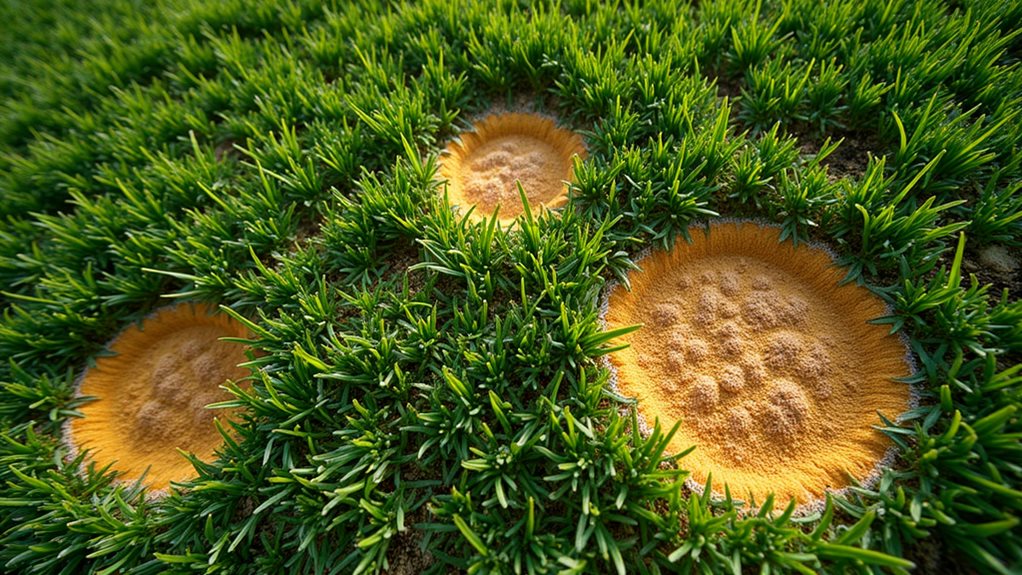
Certain grass types are more prone to brown patch, especially cool-season grasses like tall fescue, perennial ryegrass, and bentgrass. These grasses tend to develop the disease during hot, humid weather. A mulch/soil amendment such as coconut coir can help improve soil aeration and moisture management, potentially reducing disease susceptibility. Warm-season grasses such as St. Augustinegrass and zoysiagrass can also be affected when conditions are favorable. Recognizing which grasses are most susceptible helps you take targeted steps to prevent and manage brown patch effectively.
Susceptible Turfgrass Varieties
Many popular turfgrass varieties are more vulnerable to brown patch, especially under certain weather conditions. Tall fescue and Kentucky bluegrass, both cool-season grasses, are particularly susceptible to lawn disease during humid, warm periods.
These susceptible turfgrass types face increased risk of fungal infections like brown patch, especially with over-fertilization or poor drainage.
Conditions Increasing Risk
Warm, humid weather considerably increases the risk of brown patch in certain grass types, especially those that thrive in cooler conditions.
Dense thatch layers trap moisture, creating ideal conditions for fungal infection.
Poor air circulation and high moisture levels weaken grass health, making it more susceptible.
Maintaining proper lawn conditions and controlling moisture are essential to prevent brown patch.
How to Prevent Brown Patch in Your Lawn
Preventing brown patch in your lawn begins with managing moisture levels and environmental conditions that favor fungal growth.
To prevent brown, avoid moist conditions during summer or early fall by watering early in the morning and improving airflow and drainage through aeration and pruning.
Proper lawn treatment, balanced fertilization, and mowing height help strengthen grass and reduce susceptibility.
How to Treat Brown Patch When You Spot It
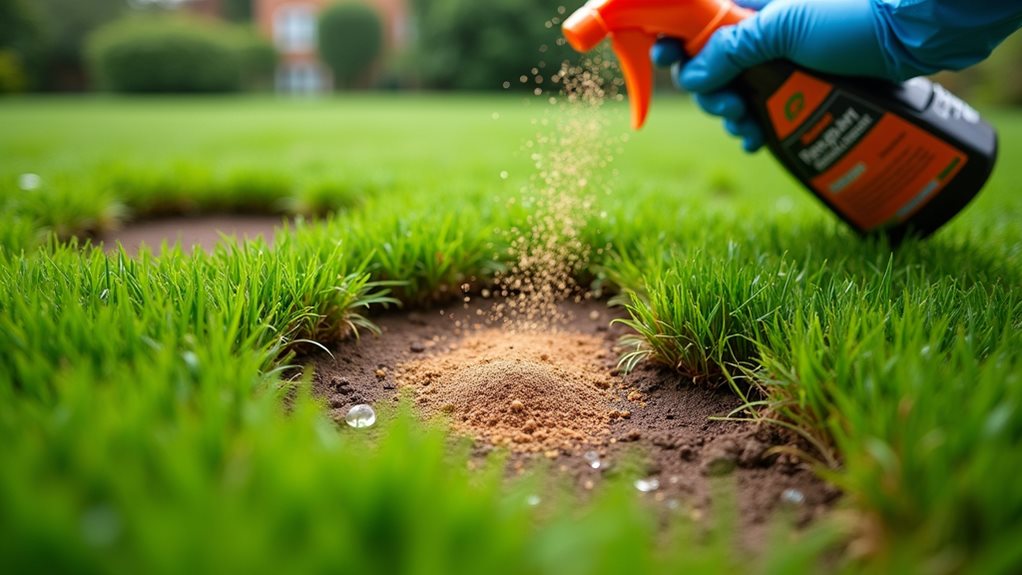
When brown patch appears on your lawn, acting quickly can prevent extensive damage and promote faster recovery.
To treat brown patch, identify early signs of the disease and apply fungicide treatments like Scotts® DiseaseEX™ Lawn Fungicide promptly.
Reseed bare spots, mow at recommended heights, and improve airflow through aeration to slow the spread and maintain a healthy lawn.
Additionally, keeping the area free of excess organic debris can help reduce the risk of fungal growth, as spiders do not attract or pose a threat to your lawn’s health.
How to Repair Your Lawn After Brown Patch Damage
After brown patch has damaged your lawn, the next step is to effectively repair the damaged areas to restore their health and appearance. For lawn repair, reseed bare spots early in spring or fall. Aerate to improve soil drainage, and consider sod for severely affected patches. Proper watering and fertilization will support lawn recovery and prevent future brown patch issues. Additionally, maintaining appropriate environmental conditions such as proper watering, humidity, and avoiding excessive heat can help reduce the risk of recurrence.
Best Products and Treatments for Brown Patch Control
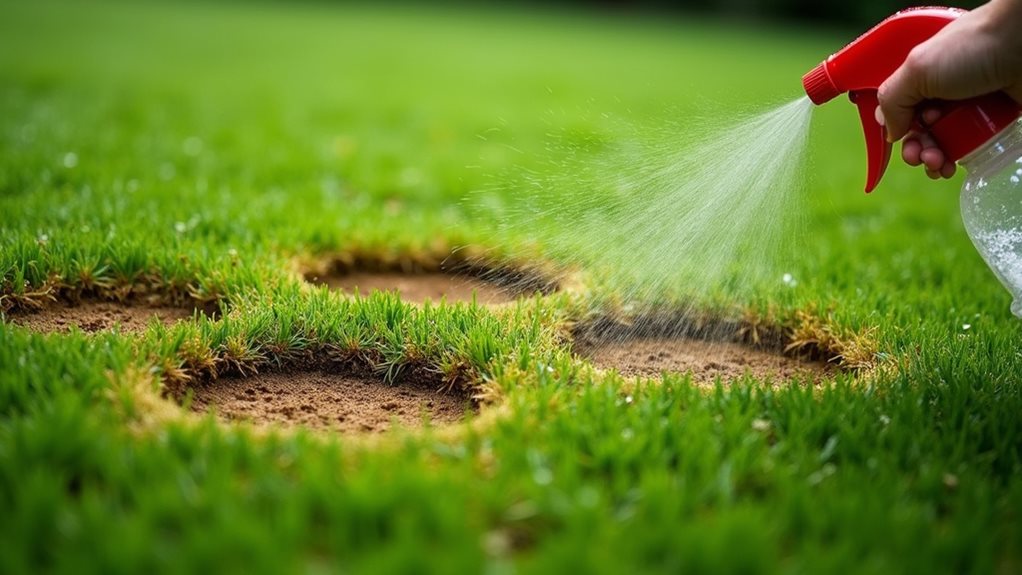
Effective control of brown patch disease relies on selecting the right products and applying them correctly. Use Scotts® DiseaseEX™ Lawn Fungicide at the first sign of brown patch to achieve broad-spectrum fungal control. Incorporating soil health practices such as proper fertilization and aeration can further reduce the risk of disease development. Follow with Scotts® Turf Builder® Healthy Plus Lawn Food to strengthen your lawn. Rotating fungicides and practicing proper lawn care help prevent brown patch and maintain healthy turf.
Tips for Maintaining a Healthy, Resilient Lawn Year-Round
Maintaining a healthy, resilient lawn throughout the year requires consistent care and proactive strategies that address the changing conditions of each season. Proper lawn care involves adjusting mowing height, ensuring good air circulation, and watering early to prevent fungus growth. Implementing weed prevention techniques such as proper overseeding and controlling invasive species can further strengthen your lawn’s defenses. Regular fertilization and aeration help reduce disease risk, supporting a strong, disease-resistant turf year-round.
Final Note
By understanding the signs, causes, and preventive measures for brown patch, you can protect your lawn effectively. Regularly monitoring your grass, practicing proper watering techniques, and applying appropriate treatments when needed will help keep your lawn healthy and resilient. Consistent maintenance and prompt action are key to minimizing damage and promoting recovery. With these strategies, you can maintain a lush, green lawn and reduce the risk of future outbreaks, ensuring your outdoor space remains attractive and healthy year-round.

Nathan McPhail is a garden and home DIY expert who writes practical, easy-to-follow advice for homeowners and gardeners. Through Yardique, he shares hands-on tips covering gardening, lawn care, landscaping, home improvement, repairs, tools, and outdoor living. His focus is on helping readers solve everyday household and yard problems with straightforward guidance, useful techniques, and practical solutions.