To eliminate aphids from outdoor plants, start by regularly inspecting your plants for signs like curling leaves or honeydew. Encourage natural predators such as ladybugs and lacewings by planting diverse flowering species and avoiding broad-spectrum pesticides. Use organic treatments like insecticidal soap or neem oil, applying them early in the morning or late evening. Combining these methods helps control aphids effectively while maintaining garden health. Continue investigating to uncover more sustainable strategies for long-term aphid management.
TLDR
- Regularly inspect plants and remove aphids manually or with a strong jet of water.
- Apply insecticidal soap or neem oil directly to infested areas early in the day or evening.
- Encourage natural predators like ladybugs and lacewings by planting flowering herbs nearby.
- Use reflective or yellow sticky traps to monitor and reduce aphid populations.
- Maintain plant health through proper watering, fertilization, and pruning to prevent infestations.
How to Recognize and Identify Aphid Infestations
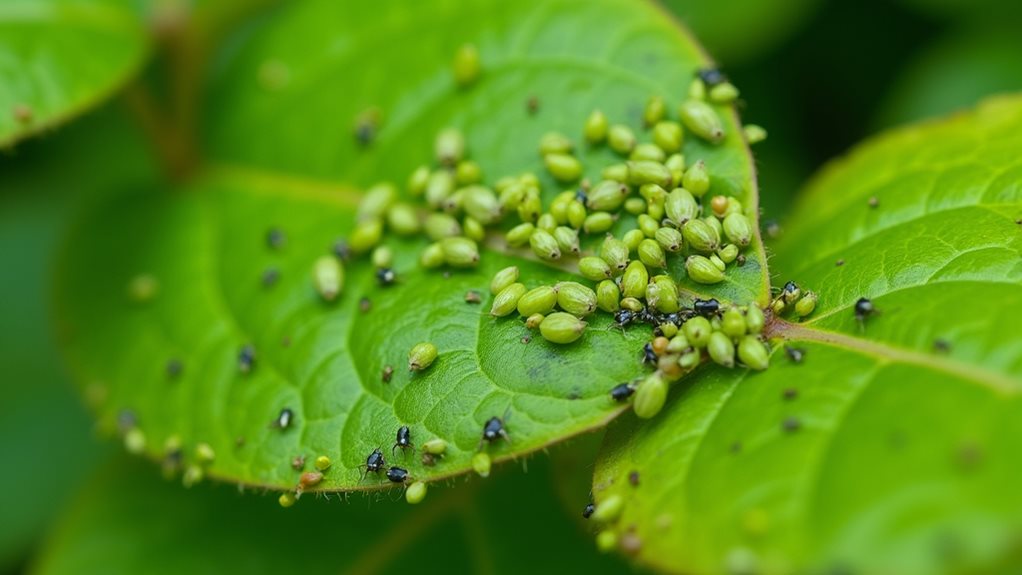
Recognizing aphid infestations early is essential for effective treatment, and these tiny insects can be identified through several clear signs. To identify aphids, look for clusters on the undersides of new leaves or shoots, which cause curling or deformation. Visible honeydew, sticky surfaces, and signs of damage like yellowing or stunted growth help confirm their presence. Incorporating beneficial insect habitats such as marigolds or calendula nearby can naturally attract predators that help control aphid populations.
How to Encourage Beneficial Insects to Control Aphids Naturally
Encouraging beneficial insects to naturally control aphids involves creating a welcoming environment in your garden that attracts and sustains these helpful predators. Planting diverse flowering plants and herbs, providing habitat features like insect houses, and avoiding broad-spectrum pesticides help attract beneficial insects. Supporting natural predation reduces aphid populations while promoting a healthy, balanced garden ecosystem.
Using Organic Methods to Control Aphids Effectively
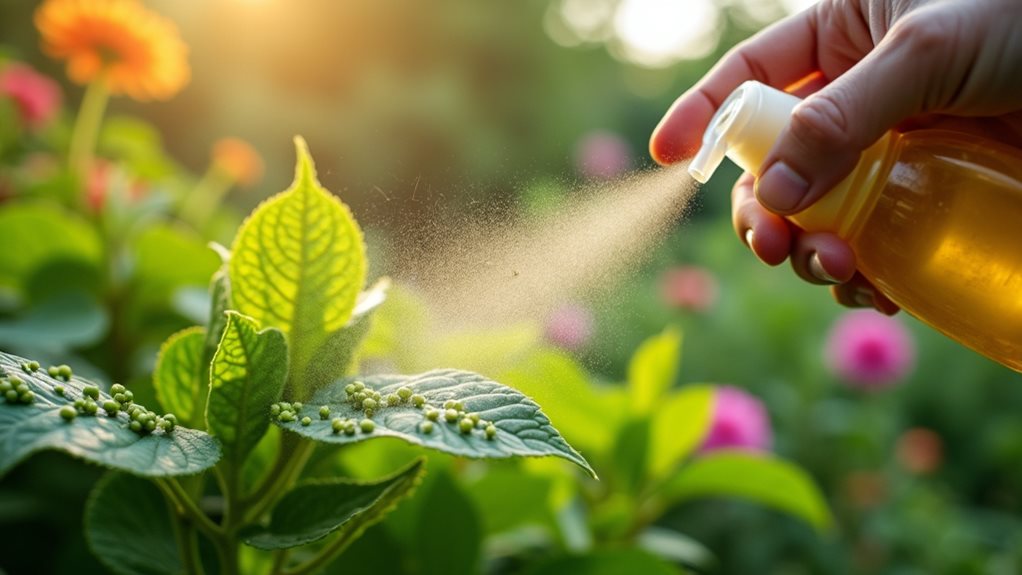
Organic methods offer a safe and effective way to control aphids on outdoor plants without relying on synthetic chemicals. Using a spray bottle to apply insecticidal soap or neem oil directly to infested areas helps manage populations naturally. Regularly inspecting your plants and maintaining healthy soil can also prevent infestations, reducing the likelihood of aphid problems before they start. Repeated treatments and early application are key, as these organic solutions repel or kill aphids, preventing significant damage while promoting a healthy garden environment.
Mechanical and Cultural Practices to Prevent and Reduce Aphids
Regularly inspecting your plants allows you to catch and remove heavily infested leaves or stems before aphids spread further.
Maintaining plant health through proper watering, fertilization, and pruning makes your plants less attractive to pests.
Physical barriers like floating row covers can block aphids during critical growth stages.
Using proper pruning techniques can help reduce pest habitats and improve airflow around your plants.
Combining these practices helps create a strong defense against aphid infestations, promoting healthier outdoor plants.
Regular Plant Inspection
Since early detection is key to managing aphid infestations, inspecting your outdoor plants regularly helps identify issues before they worsen.
Focus on new growth and undersides of leaves for signs of aphids, which can threaten plant health.
Regular inspection allows you to catch problems early, making it easier to control aphid populations and maintain healthy, thriving plants.
Maintain Plant Health
Maintaining plant health is a vital step in preventing and reducing aphid infestations, as healthy plants are naturally more resistant to pests. You can do this by ensuring proper watering to avoid stress, pruning to improve airflow and remove damaged tissue, and fertilizing appropriately.
These practices help plants resist pests and promote strong, vigorous growth.
Use Physical Barriers
Using physical barriers is an effective way to prevent aphids from reaching your outdoor plants, especially during their most vulnerable growth stages. Installing options like floating row covers or screens around susceptible plants can block aphid access, reducing infestation risks.
Additionally, reflective or yellow sticky traps attract and trap aphids early, helping keep your outdoor plants healthy and pest-free.
When and How Should You Use Chemical Treatments Safely
Applying chemical treatments at the right time, such as early morning or late evening, helps protect pollinators and beneficial insects from harm.
It’s vital to follow the label instructions exactly, including proper dosages and application methods, to guarantee safety and effectiveness.
Using targeted products like insecticidal soaps and limiting treatments during flowering periods reduces environmental impact and prevents resistance buildup.
Additionally, choosing disease-resistant lilacs can help minimize the need for chemical interventions and promote healthier plants.
Timing and Application Safety
Timing and careful application are essential when using chemical treatments to control aphids, as improper use can harm beneficial insects and damage plants.
Apply chemicals during early morning or late evening to reduce impact on pollinators, and target infested areas directly.
Always follow instructions precisely, including waiting 24-48 hours after application before watering or rain.
Proper Chemical Usage Guidelines
To guarantee safe and effective use of chemical treatments on outdoor plants, it’s essential to follow specific guidelines that minimize risks to both your plants and the environment.
Always read label instructions carefully, applying targeted insecticidal soap or neem oil first. Spray of water can help loosen aphids before treatment, making the application more effective.
Broad-spectrum chemical pesticides should be a last resort, used sparingly.
Tips to Keep Your Garden Healthy and Aphid-Free
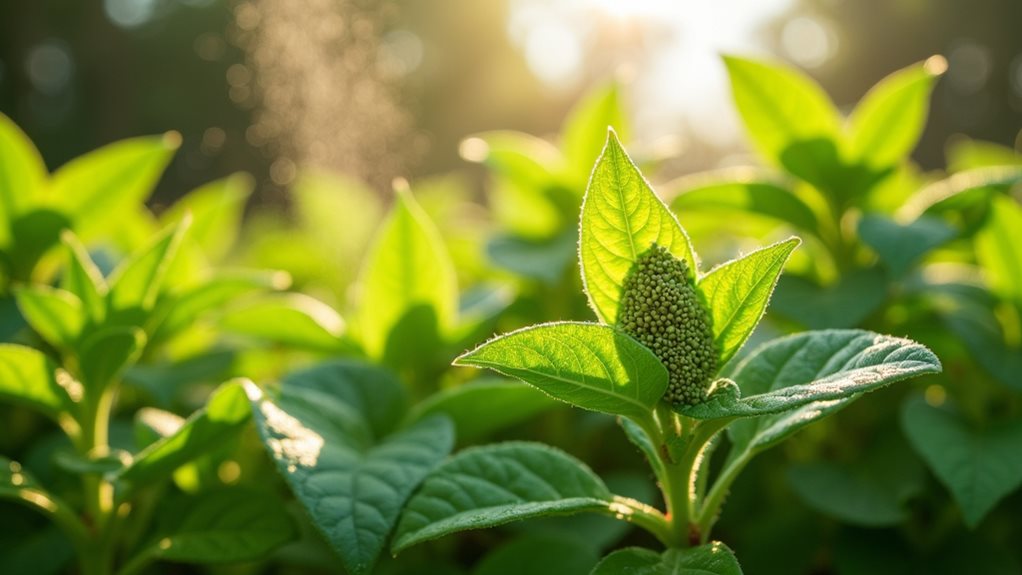
Maintaining a healthy garden begins with proactive care that minimizes the risk of aphid infestations. Encourage beneficial insects like ladybugs, which naturally control pests, and use physical barriers such as floating row covers.
Regularly inspect plants, and for quick pest control, soapy water can be effective.
Proper watering, fertilization, and pruning also strengthen plants against aphids.
Additionally, incorporating soil health practices like composting and crop rotation can enhance plant resilience and reduce pest problems naturally.
Common Questions About Aphid Control and Prevention
Are you unsure how to identify and effectively prevent aphid infestations on your outdoor plants? Recognizing aphids involves spotting small, soft-bodied insects on new growth, sticky honeydew, and curling leaves. Incorporating native plants that attract beneficial insects can help naturally keep pest populations in check. To control them, consider introducing natural predators like ladybugs or lacewings, and use organic treatments such as insecticidal soap or neem oil, which are safer for your garden ecosystem.
Final Note
By understanding how to recognize aphid infestations and employing a combination of natural, mechanical, and chemical control methods, you can effectively protect your outdoor plants. Regular monitoring and maintaining garden health are essential steps in preventing future outbreaks. Remember to use chemical treatments responsibly and as a last resort. With consistent effort and informed decisions, you can keep your garden thriving and free of aphids, ensuring healthy growth for your plants over time.

Nathan McPhail is a garden and home DIY expert who writes practical, easy-to-follow advice for homeowners and gardeners. Through Yardique, he shares hands-on tips covering gardening, lawn care, landscaping, home improvement, repairs, tools, and outdoor living. His focus is on helping readers solve everyday household and yard problems with straightforward guidance, useful techniques, and practical solutions.