A wood fence typically lasts between 10 to 20 years, depending on factors like the type of wood, climate, installation quality, and maintenance. Proper upkeep, such as sealing, cleaning, and repairs, can extend its life, while harsh weather or pest damage may shorten it. When signs like warping, rotting, or structural instability appear, replacement becomes necessary. To learn more about how to maximize your fence’s longevity, consider the important details that follow.
TLDR
- Proper installation and maintenance can extend a wood fence’s lifespan to 15-20 years.
- Humid and extreme weather conditions can shorten the fence’s durability.
- Signs like rotting, warping, or sagging indicate the need for replacement.
- Regular sealing and repairs help delay the need for a full replacement.
- Most wooden fences require replacement after 15-20 years due to wear and decay.
What Factors Affect How Long a Wooden Fence Lasts?
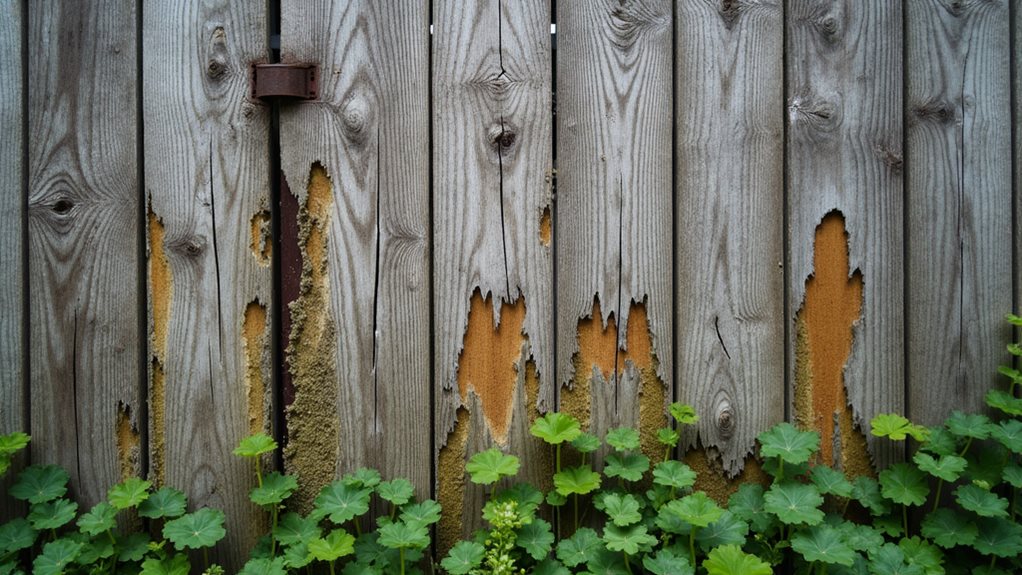
Several factors play an essential role in determining the lifespan of a wooden fence, making it important to take into account both the materials and the environment. Your wood fence lifespan depends on wood type, weather conditions, and installation quality. Proper maintenance like sealing improves durability, while pest resistance and climate impact can accelerate rot and decay, reducing overall longevity. Additionally, understanding the load-bearing capacity of the surrounding structures can help prevent damage and maintain fence stability over time.
How Does Climate Impact Your Fence’s Durability?
Climate plays a significant role in determining how long your wooden fence will last, as different weather conditions can either accelerate wear or help preserve the wood if managed properly.
Climate impact affects wood fence durability through rot and mold in humid areas. UV rays cause weathering. Freezing temperatures lead to wood expansion, cracking, and soil erosion at ground level.
How Can Proper Installation Make Your Fence Last Longer?
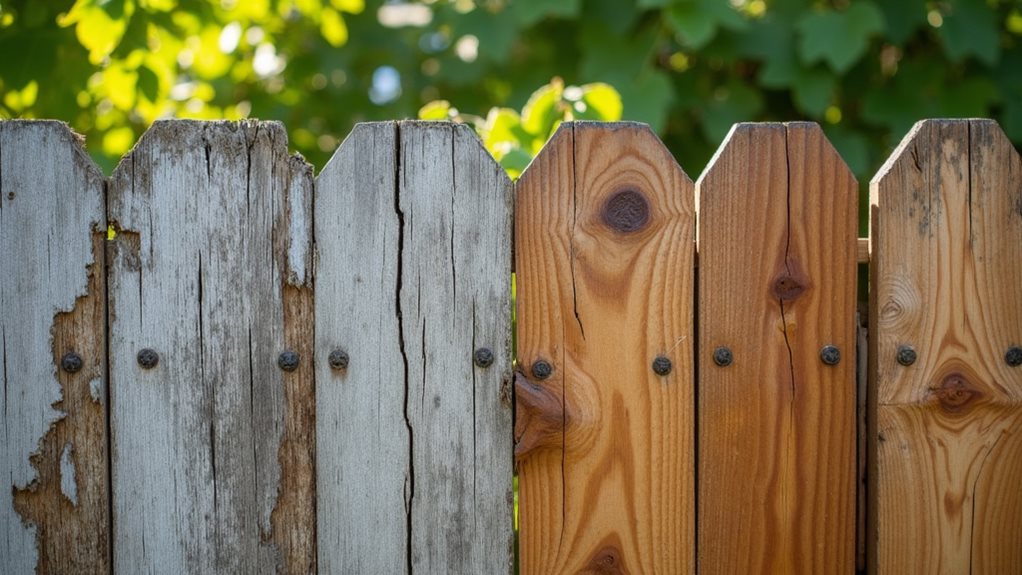
Proper installation is the foundation for ensuring your wooden fence lasts as long as possible. Accurate post depth, concrete anchors, and proper alignment prevent structural stress and shifting. Good drainage and post caps protect against rot. Using quality hardware enhances stability, and correct spacing reduces warping. Additionally, incorporating soil preparation and aeration techniques can improve the overall foundation and longevity of your fence. These steps considerably extend your fence’s lifespan beyond basic expectations.
What Maintenance Tips Keep Your Fence in Top Shape?
Keeping your wood fence in top shape requires regular maintenance, including cleaning it with soap and water to remove dirt, mold, and mildew. Applying a quality stain or sealant every few years helps protect the wood from moisture and UV damage. While doing so, promptly repairing any damaged or warped boards maintains structural integrity. Additionally, trimming nearby plants and ensuring proper drainage around the posts can considerably extend your fence’s lifespan. Using proper sealing techniques with high-quality materials can further enhance the durability and resistance of your fence against weathering.
Regular Cleaning and Inspection
Performing regular cleaning and inspections is essential to maintaining the longevity of your wood fence. Regular maintenance, including annual inspections for damage and loose boards, helps prevent wood decay and preserves structural integrity.
Applying sealant every few years, along with prompt repairs, enhances moisture control, pest prevention, and damage prevention. Ultimately, these practices extend your fence’s wood fence lifespan.
Applying Protective Treatments
Applying protective treatments to your wood fence is a crucial step in maintaining its durability and appearance over time. Regularly sealing with a high-quality stain or sealant guards against water damage, UV damage, and rot.
Preservatives enhance resistance to pests.
Prompt repair of minor damage and installing protective post caps further prolong your fence’s lifespan and keep it looking its best.
Prompt Repair of Damage
Addressing damage promptly is key to maintaining the integrity and appearance of your wood fence. Regular inspection allows you to identify and repair or replace cracked, warped, or rotted boards early, preventing more extensive damage.
Consistent maintenance, including sealing and keeping plants away, supports repairing minor issues quickly and prevents rot. This helps ensure your fence remains durable and visually appealing over time.
How Do You Know When Your Fence Needs Repairs or Repainting?
You can tell your fence needs repairs or repainting when you notice cracked, warped, or rotting pickets, or if boards are loose or sagging. Fading, peeling, or bubbling paint and visible pest damage also indicate maintenance is needed. Additionally, structural issues like leaning posts or unstable sections threaten the fence’s safety and should be addressed promptly. Sometimes, underlying problems such as damage to supporting structures can cause these visible issues and should be checked by a professional.
Signs of Structural Damage
Recognizing when a wood fence needs repairs or repainting is essential for maintaining its safety and appearance.
Signs of structural damage include warping, cracking, or splitting of wood planks. Loose or leaning posts, and areas showing rot, mold, or significant discoloration are also indicators.
Pest damage, decay, or instability after storms threaten the fence’s integrity, indicating it’s time for professional assessment or replacement.
Visible Wear and Fading
Over time, exposure to weather elements can cause a wood fence to show signs of wear and fading that are easy to overlook at first glance.
Discoloration, fading, or peeling paint and stain indicate the need for repainting or sealing.
Moisture can lead to rot, and visible damage or gaps suggest maintenance is necessary to prevent further deterioration from ongoing weather effects.
When Is It Time to Replace Your Wooden Fence?
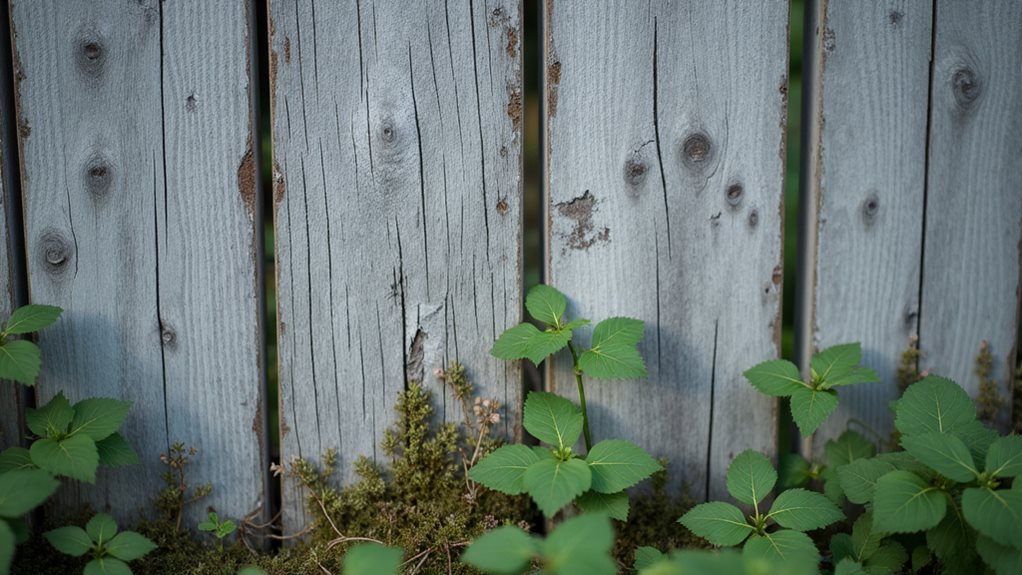
Determining when to replace a wooden fence depends on evaluating its overall condition and damage extent. If the wood fence shows widespread rotting, warping, or decay, especially in posts, it’s time for replacement. Frequent repairs, sagging, or significant damage to multiple sections compromise durability, making replacement more practical than ongoing maintenance. Replacing the fence ensures safety and long-term value. Additionally, considering the age of the fence and the presence of drought-resistant grasses in the surrounding landscape can help optimize yard resilience and maintenance costs.
What Are the Best Long-Lasting Fence Materials and Alternatives?
When selecting a long-lasting fence material, it’s important to contemplate durability, resistance to environmental factors, and maintenance requirements. For example, cedar fence durability offers a reliable wood fence lifespan, while vinyl fence longevity minimizes wood fence maintenance. Aluminum fence lifespan exceeds 50 years, and exotic hardwoods like Ipe provide the most extended durability among alternative fencing options, ensuring lasting protection and beauty. Additionally, incorporating deep-rooted plants into landscape design can enhance soil health and reduce the need for frequent fence repairs caused by soil movement.
Summary: Making Your Fence Last for Decades
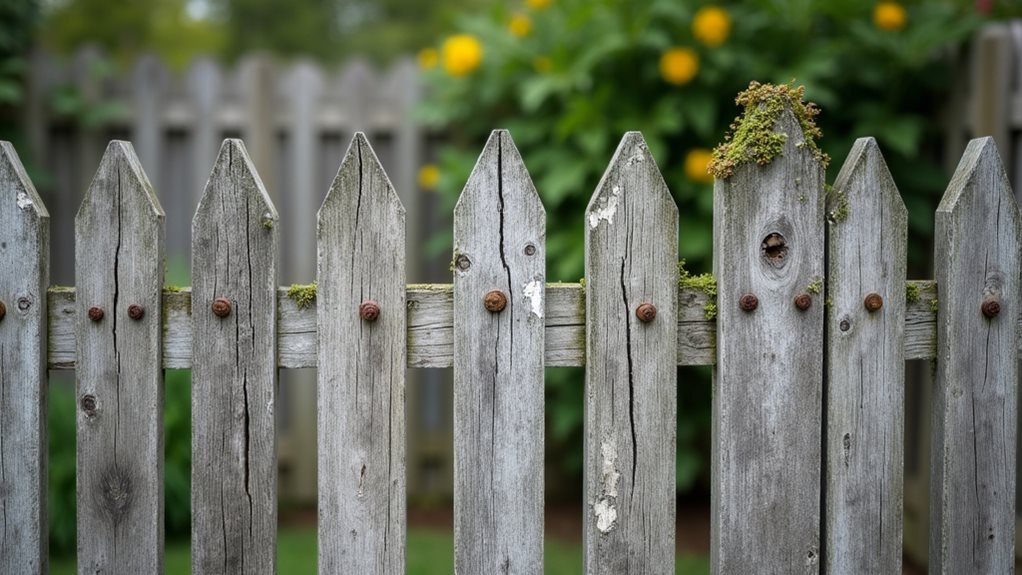
Maintaining a wooden fence properly can considerably extend its lifespan, allowing it to serve your property for decades. Regular maintenance like sealing and repairs enhances durability, especially for cedar and pressure-treated wood, which resist rot and climate damage.
With proper care, a wood fence’s longevity depends on the wood type, climate, and installation quality, ensuring it remains a lasting part of your home.
Final Note
Proper maintenance, climate considerations, and quality installation greatly influence your wooden fence’s lifespan. Regular inspections, timely repairs, and choosing durable materials can extend its life, often reaching 10 to 15 years or more. Recognizing signs of deterioration early helps you avoid costly replacements. When your fence shows extensive damage or decay, replacing it guarantees safety and aesthetic appeal. By understanding these factors, you can make informed decisions to maximize your fence’s longevity and value.

Nathan McPhail is a garden and home DIY expert who writes practical, easy-to-follow advice for homeowners and gardeners. Through Yardique, he shares hands-on tips covering gardening, lawn care, landscaping, home improvement, repairs, tools, and outdoor living. His focus is on helping readers solve everyday household and yard problems with straightforward guidance, useful techniques, and practical solutions.