You’re smelling musty because moisture is hidden in the basement; condensation on cool walls or pipes creates damp spots where mold thrives and releases microbial volatile organic compounds that give the earthy odor. The dampness often comes from seepage through foundation cracks, pipe leaks, or groundwater pressure, and poor ventilation traps the odor, letting it linger. Identifying the source, improving airflow, and reducing humidity with a dehumidifier will stop the smell, and the next steps will show you how to keep it dry for good.
TLDR
- Hidden moisture from leaks, condensation, or groundwater creates damp spots where mold can grow.
- Mold releases microbial volatile organic compounds (mVOCs) that produce the characteristic musty odor.
- Poor ventilation traps stale, humid air, concentrating odors and preventing their dispersion.
- High indoor humidity (above 60%) sustains condensation on walls and pipes, feeding mold growth.
- Structural issues such as foundation cracks, inadequate grading, or unsealed utility penetrations allow water intrusion.
Why a Musty Basement Smell Means Moisture Is Present
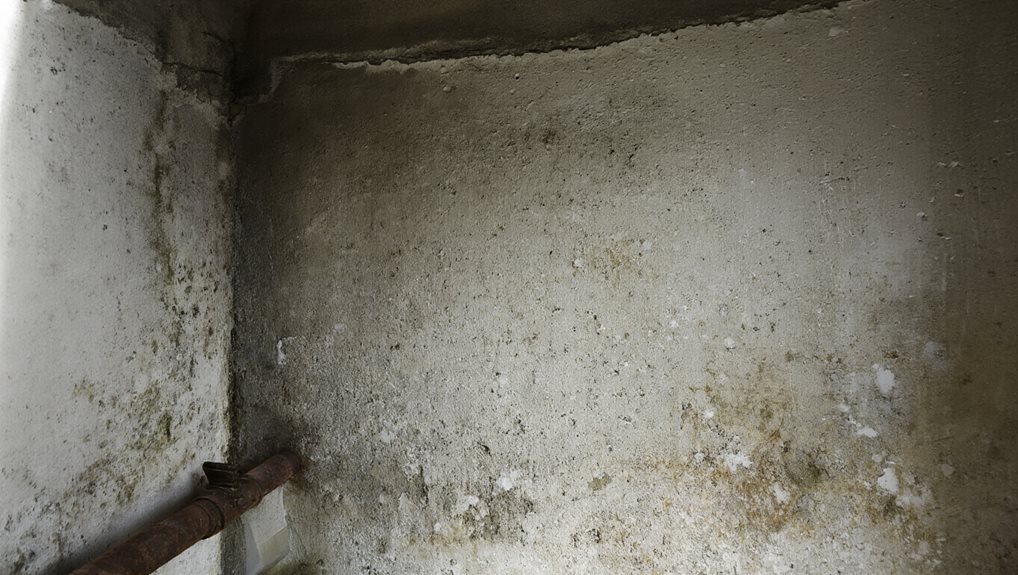
Why does a musty basement smell signal moisture? You notice it when hidden water sees mold, and you can’t see puddles. Moisture raises humidity, fuels mold, and changes electrical resistance, so pinless meters or hygrometers reveal it. Thermal imaging shows temperature shifts, while visual cues like bubbling drywall confirm it. Detect early, protect health, and keep your home’s comfort and belonging intact. Pin‑type meters measure resistance to pinpoint exact wet spots, providing precise data for targeted remediation pin‑type meters. Additionally, native woody plants and diversified habitat concepts from pollinator guidance emphasize the importance of a layered approach to environmental health, illustrating that thorough monitoring and diverse, structurally sound measures help maintain system balance habitat complexity.
How Condensation on Walls and Pipes Triggers Musty Odors
When warm, humid air meets a cold wall or pipe, the moisture condenses into liquid droplets that cling to the surface, creating damp spots that linger. Those wet areas become perfect breeding grounds for mold and mildew, which thrive on the moisture and release microbial volatile organic compounds. As the mVOCs evaporate, they spread a characteristic musty odor throughout the basement, signaling that condensation‑driven mold growth is underway. Condensation can continue to feed mold growth even after the initial dampness has dissipated.
Condensation Forms on Surfaces
Condensation forms on basement walls and pipes when warm, humid air meets the cooler surfaces that are typical of underground structures, causing moisture in the air to convert into liquid droplets that cling to those surfaces.
You’ll notice fogged windows, “sweating” pipes, and damp spots on cold water lines, especially during humid summer months, signaling that insulation or ventilation improvements are needed to keep the space comfortable and odor‑free.
Moisture Fuels Mold Growth
Ever notice that a damp basement often smells musty, and wonder why the odor seems to linger even after you clean the floor? Moisture from condensation on cold walls, pipes, and foundation cracks creates a wet surface where mold spores germinate within 24‑48 hours, feeding on organic debris and releasing VOCs that produce the characteristic musty scent. Keeping humidity below 50 % and sealing leaks stops this cycle.
Spotting Hidden Water Leaks That Feed Mold Growth
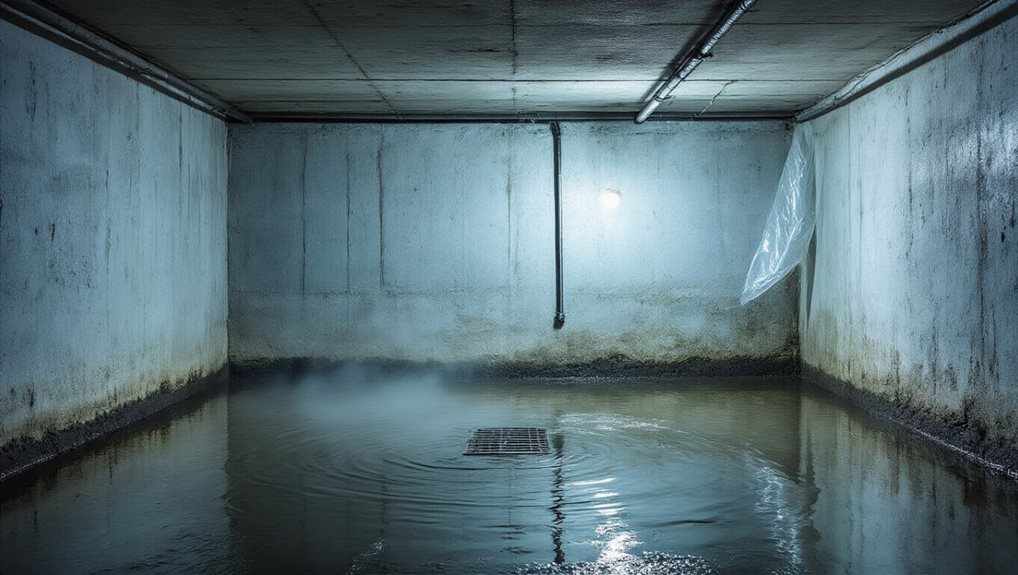
You should start by examining any foundation cracks, because even tiny gaps can let water seep in and create the damp environment mold needs. Next, check the condensation on pipes; persistent droplets or rusted tack strips often signal a hidden leak that’s feeding moisture into the basement. Spotting these signs early lets you address the source before mold spreads and the musty odor worsens. Additionally, consider the role of humidity control, such as using a dehumidifier or improving ventilation, to reduce moisture levels that mold thrives on humidity control.
Inspect Foundation Cracks
Where do those faint, damp spots on your basement walls come from? Inspect foundation cracks by checking corners, wall‑floor joints, and cove joints for hairline splits; use a moisture meter or hygrometer to confirm seepage, and look for efflorescence, dark stains, or peeling paint that signal hidden water.
Spotting these entry points early helps prevent mold, protects your home, and keeps the community feeling secure.
Check Pipe Condensation
Why does your basement often feel damp even when the pipes aren’t leaking? You’ll notice beads on cold water pipes, cool spots on walls, or faint musty odors that signal condensation. Those droplets feed mold within days, especially in poorly ventilated basements.
Inspect for water stains, damp floors, and hidden pipe runs, then insulate pipes, improve ventilation, and run a dehumidifier to halt the cycle.
How Poor Ventilation Keeps a Musty Basement Smell Stagnant
Ever notice how a basement can feel like a sealed box, trapping stale air and the musty odor that refuses to dissipate? Poor ventilation locks moisture-laden air inside, so humidity climbs, condensation sticks to walls, and microbial VOCs accumulate without dispersion. Stagnant airflow concentrates odors, fuels damp-material decay, and spreads the smell throughout the home, making the problem feel permanent. Elbow-length gauntlets
Which Mold Types Give Off That Musty Smell?
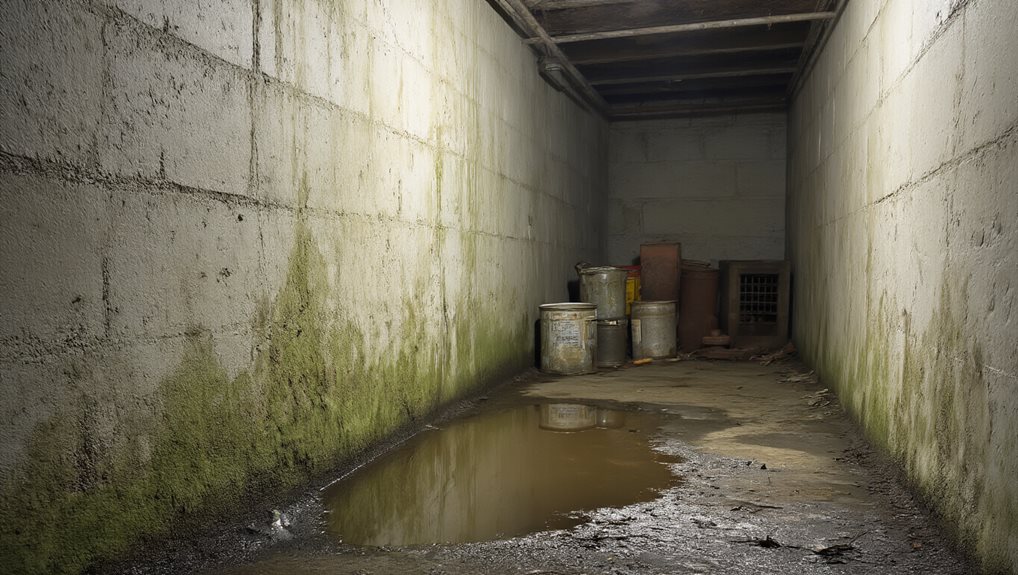
You’ll notice that the most common musty molds in basements include Stachybotrys, Aspergillus, Cladosporium, Alternaria, and Penicillium, each releasing volatile organic compounds that create that damp, earthy odor. Among them, Stachybotrys—often called toxic black mold—poses the greatest health risk because its MVOCs can irritate the respiratory system. Understanding which species are present helps you target remediation and prevent the persistent musty smell from returning. Calcium oxalate is a component mentioned in the knowledge about plant toxicity, but it is not directly related to mold; recognizing toxic plants in homes can help prevent separate risks to pets and people.
Common Musty Mold
What makes a basement smell musty? It’s usually the volatile organic compounds released by common indoor molds such as Aspergillus, Penicillium, Cladosporium, Alternaria, and Chaetomium, each thriving in damp, poorly ventilated environments. You’ll notice Aspergillus’s sweet‑fruity aroma, Penicillium’s earthy scent, Cladosporium’s wet‑towel smell, Alternaria’s hay‑like odor, and Chaetomium’s strong soil‑decay whiff, all signaling moisture issues that need attention.
Toxic Black Mold
Why does a basement’s musty odor often point to toxic black mold? You’ll notice Stachybotrys chartarum’s dark, slimy patches and Aspergillus niger’s black colonies, both releasing earthy, musty smells after 72 hours of moisture. These molds produce mycotoxins that irritate lungs, trigger allergies, and can cause severe neurological effects, especially in children and immunocompromised residents, so early identification and remediation are essential for a healthy, shared home environment.
Quick Visual Checks for Efflorescence and Peeling Paint
How can you spot the early signs of moisture trouble before it escalates into costly repairs? Walk the basement floor and walls, looking for white, grayish‑white powder or fluffy crystals on concrete, especially near foundation cracks or windows. Check vertical surfaces below ground level for crusty deposits that wipe away easily, and note any bubbling or peeling paint that signals damp concrete beneath. These quick visual checks help you identify efflorescence and paint delamination before problems worsen.
Pinpoint Damp Spots With a Moisture Meter
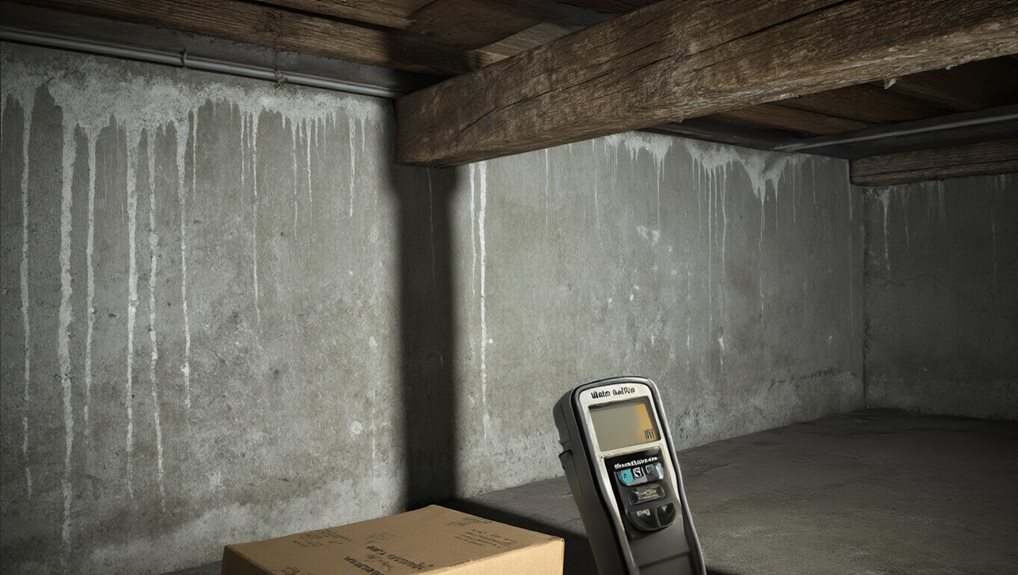
Can you locate hidden moisture before it spreads? Use a pin‑type meter to probe drywall, wood, or plaster, noting lower resistance where water conducts electricity, and a pinless meter to scan finished floors, letting radio frequencies reveal dampness without damage. Take multiple readings at eye level, record dates, and compare results, ensuring you pinpoint spots early and keep your basement community safe.
Why Rain Makes the Smell Worse: Groundwater Pressure Explained
When rain saturates the soil around your home, the water table rises and hydrostatic pressure builds against the foundation, pushing moisture into any cracks or seams in the basement walls and floor. This pressure forces water through hairline cracks, unsealed joints, and utility gaps, especially when clay soils hold water or grading directs runoff toward the house, intensifying the musty odor.
Health Symptoms Linked to a Musty Basement Smell
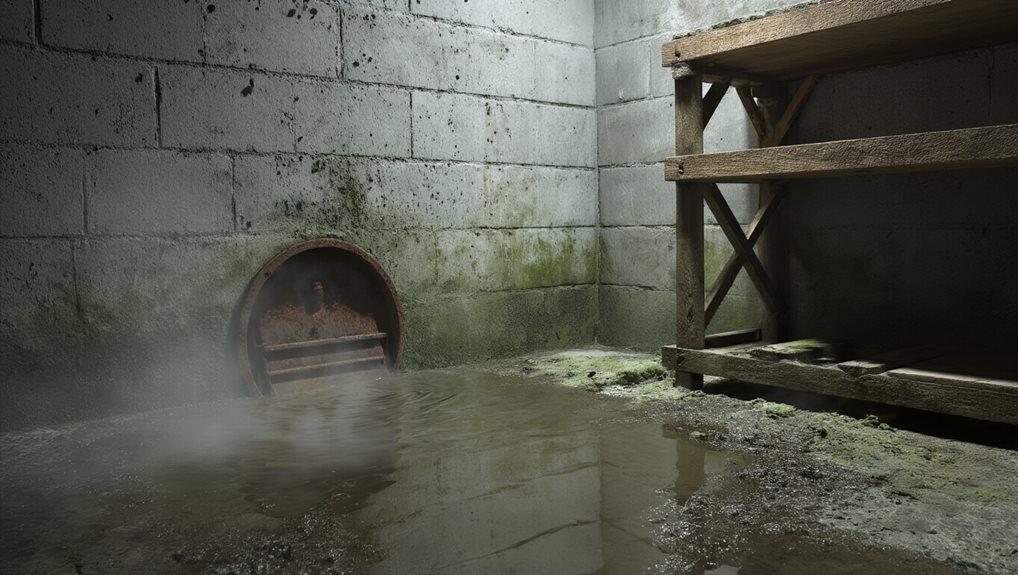
Ever notice that a musty basement scent seems to trigger sneezing, itchy eyes, or a lingering headache? You may also experience nasal congestion, cough, throat irritation, or wheezing, especially if you have asthma or COPD.
Skin reactions like hives, watery eyes, and fatigue often accompany these symptoms, while headaches, memory fog, and mood shifts can develop with prolonged exposure, underscoring the need for prompt remediation.
DIY Steps to Dry Out and De‑mold a Musty Basement
If the musty odor in your basement is already causing sneezing, eye irritation, or headaches, it’s time to move from symptom awareness to concrete remediation. Wear an N‑95 mask, goggles, and gloves; seal doors with tarps; scrub non‑porous surfaces with a 1:8 bleach solution, then rinse.
Run a dehumidifier for at least three days, keep humidity below 60 %, and ventilate with fans while turning off HVAC ducts. After cleaning, discard or bag contaminated items, and shower thoroughly before re‑entering your home.
How to Keep Your Basement Dry for Good: Insulation, Drainage, and Airflow Solutions
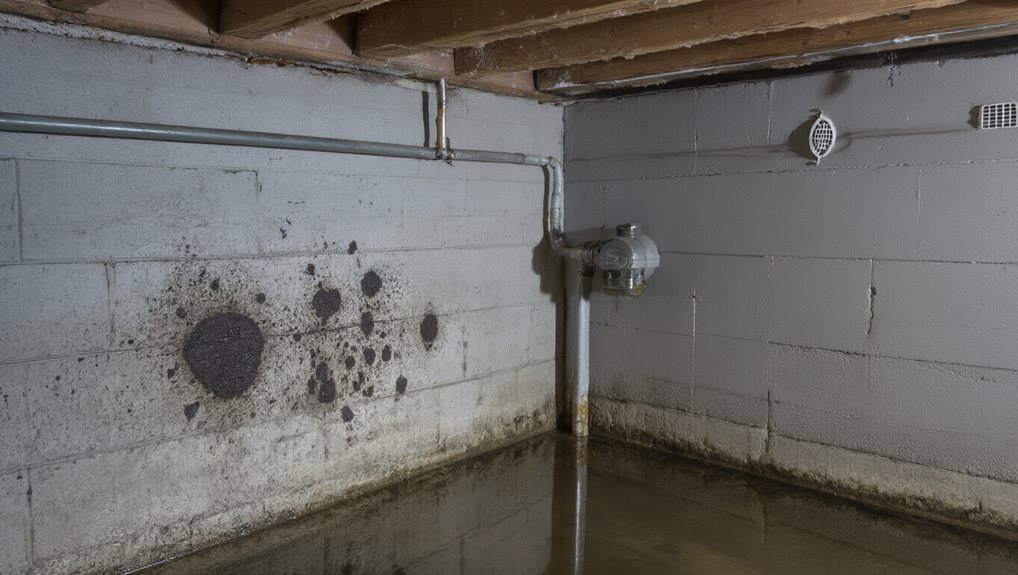
Why should you invest in a thorough moisture‑control plan for your basement? Use mold‑resistant rigid foam or mineral‑wool insulation on walls, seal pipes with spray foam, and apply vapor‑barrier sheets.
Install exterior French drains, slope the ground, and add a sump pump.
Provide continuous airflow with exhaust fans, dehumidifiers, and occasional window opening to keep humidity between 30‑50 %.
Final Note
By addressing moisture sources, improving ventilation, and treating any mold promptly, you’ll eliminate the musty odor and protect your health. Regularly inspect for leaks, install proper drainage, and use dehumidifiers to keep humidity low; consider sealing walls and adding insulation to prevent condensation. Maintaining these practices not only removes the unpleasant smell but also safeguards your home’s structural integrity and indoor air quality for the long term.

Nathan McPhail is a garden and home DIY expert who writes practical, easy-to-follow advice for homeowners and gardeners. Through Yardique, he shares hands-on tips covering gardening, lawn care, landscaping, home improvement, repairs, tools, and outdoor living. His focus is on helping readers solve everyday household and yard problems with straightforward guidance, useful techniques, and practical solutions.