Water your garden deeply once or twice a week, providing about 1 inch of water to encourage strong root growth. Adjust based on weather—add water during heatwaves and reduce after rain. Use early morning watering with soaker hoses or drip systems to enhance efficiency and reduce evaporation. Mulch beds to retain moisture, especially in sandy soil or containers. For new plants and seedlings, keep soil consistently moist, then shift to deep, infrequent soaks as they mature—there’s more to optimize as you go.
TLDR
- Water most plants with about 1 inch per week, increasing to 2 inches in hot or sandy conditions for optimal growth.
- Water early in the morning to reduce evaporation and avoid fungal diseases from wet foliage overnight.
- New plants need daily watering at first, transitioning to deep weekly soaks as they become established.
- Use drip irrigation or soaker hoses to deliver water efficiently to roots and minimize runoff and evaporation.
- Adjust watering based on soil type—sandy soils need more frequent, light watering, while clay benefits from deep, infrequent soaks.
How Often Should You Water Your Garden?
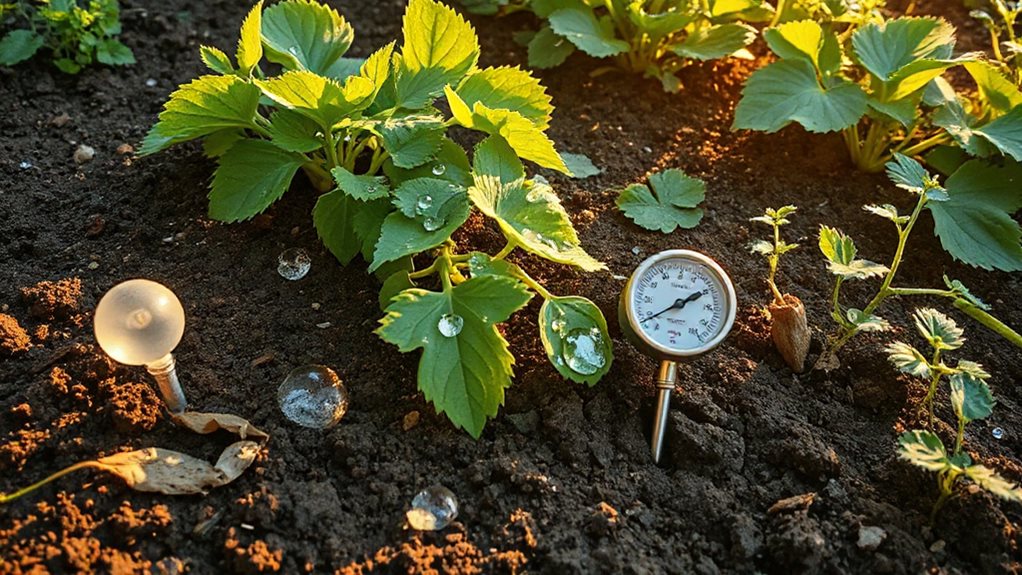
Generally, you’ll want to provide your garden with about one inch of water each week, whether from rainfall or irrigation, to keep plants healthy and thriving.
Water deeply once a week for best results, since shallow daily watering doesn’t reach roots.
If you have sandy soil, though, plan to water twice weekly with half an inch each time.
This helps compensate for faster drainage, as sandy soils retain less moisture.
Blueberries, for example, may need increasing amounts of water as they mature, sometimes up to 6 inches per week in established plantings.
Best Time of Day to Water Plants
Water your plants in the early morning, between 5:00 and 9:00 AM, so they can absorb moisture before the heat of the day and reduce evaporation.
Avoid watering during midday sun, since high temperatures cause rapid water loss and stress plants, making hydration less effective.
While evening watering might seem convenient, it often leaves foliage wet overnight, increasing the risk of fungal diseases—unless you’re using drip or soaker systems that keep leaves dry.
Newly planted seeds and seedlings need consistent moisture and should not be allowed to dry out for longer than 12 hours between waterings to ensure successful germination and establishment (see seed watering).
Early Morning Benefits
When the first light of dawn touches your garden, you’ve already missed the ideal window—aim to water between 4 and 10 AM to maximize efficiency and plant health.
You’ll increase water absorption by 40%, reduce evaporation, and lower disease risk by letting foliage dry.
Roots stay active, enhancing growth, while calm winds and cool temps improve soil penetration, ensuring your plants thrive with deeper roots and better stress resilience.
Evening Watering Advantages
You mightn’t be able to stick to the early morning routine every day, and that’s okay—watering in the evening offers a strong alternative with benefits worth considering.
Cooler temperatures reduce evaporation, so more water reaches plant roots. Calmer winds and lower sunlight minimize waste and leaf burn risk. Moisture stays in the soil longer, supporting deeper uptake and healthier growth—especially if you missed the morning.
Avoid Midday Sun
Though the midday sun may seem like a convenient time to grab the hose, it’s the least efficient window for watering your garden.
You’ll lose water fast to evaporation, and plants absorb less when the soil surface heats up.
Skip midday watering to conserve moisture and reduce stress.
Instead, choose early morning or late afternoon, when roots can soak up more and fungal risks drop.
Watering New Plants vs. Established Gardens
Because their root systems are still developing, new plants demand a more attentive watering routine compared to established gardens, which rely on deeper, less frequent soakings to thrive.
Water new plants daily or every other day at first, then scale back to two or three times weekly.
Once established, deep weekly waterings to 6–12 inches encourage strong roots, while drought-tolerant species often need little supplemental water.
Peat moss can help retain moisture for seedlings by improving soil water-holding capacity and adding organic matter, so consider incorporating peat moss when preparing beds.
Container Gardens: How to Avoid Drying Out
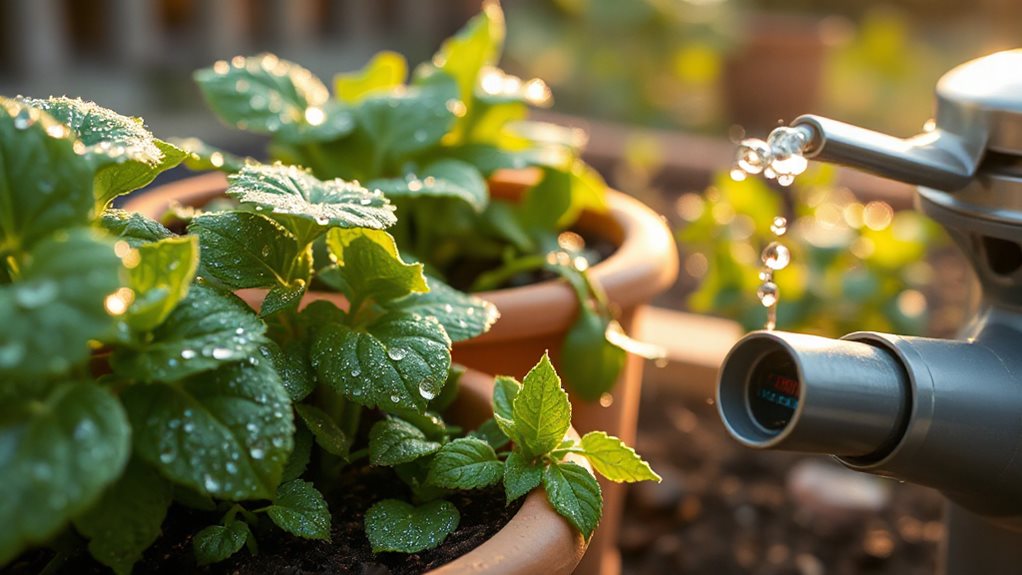
Container gardens often need close attention to prevent drying out, especially as their limited soil volume heats up and loses moisture quickly under sun exposure.
Check soil daily by feeling 2 inches down or using a moisture meter, and water when the top inch feels dry.
Opt for slow, deep watering until it drains from the bottom, avoiding frequent shallow sprays.
Water early in the morning or in the evening to reduce evaporation, and adjust frequency based on temperature, container size, plant needs, and sunlight exposure.
Monitor seedlings for consistent moisture because shallow-rooted plants like strawberries and lettuce need steady water to establish strong roots.
How to Water Trees and Shrubs the Right Way
When getting trees and shrubs established, your watering routine makes all the difference in building strong, deep root systems that support long-term health.
Water daily for the first two weeks, then every 2–3 days for up to 12 weeks. After that, switch to weekly deep soaks.
Always water slowly at the base and dripline, soaking the root zone thoroughly to encourage roots to grow deep and wide.
Core aeration can also improve water and nutrient uptake by reducing soil compaction and promoting deeper root growth.
How Much Water Do Vegetables and Perennials Need?
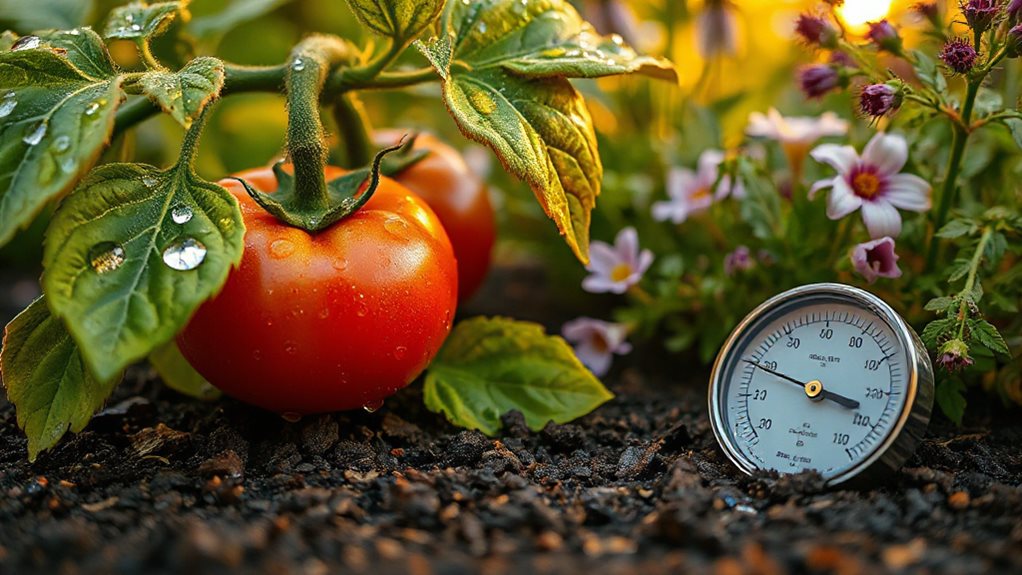
Typically, your vegetable garden will thrive with about an inch of water each week, but this amount can vary considerably depending on climate, soil type, and temperature.
In hot, dry areas or sandy soils, you may need up to 2 inches weekly. Add ½ inch for every 10°F above 60°F.
Deep, infrequent watering encourages strong roots, so aim for one to three soakings per week, ensuring moisture reaches 6 to 8 inches deep.
Sandy or Clay Soil? How That Changes Your Watering
Because your soil type directly influences how water moves and is stored, recognizing whether you’re working with sandy or clay soil is essential for effective watering.
Sandy soil drains quickly, so water lightly two to three times weekly.
Clay retains moisture, requiring deep, infrequent watering.
Use the 1-2-3-2-1 method for clay, mulch for sand, and always check moisture to match your schedule to your soil’s needs.
Watering Drought-Tolerant Plants Without Wasting Water
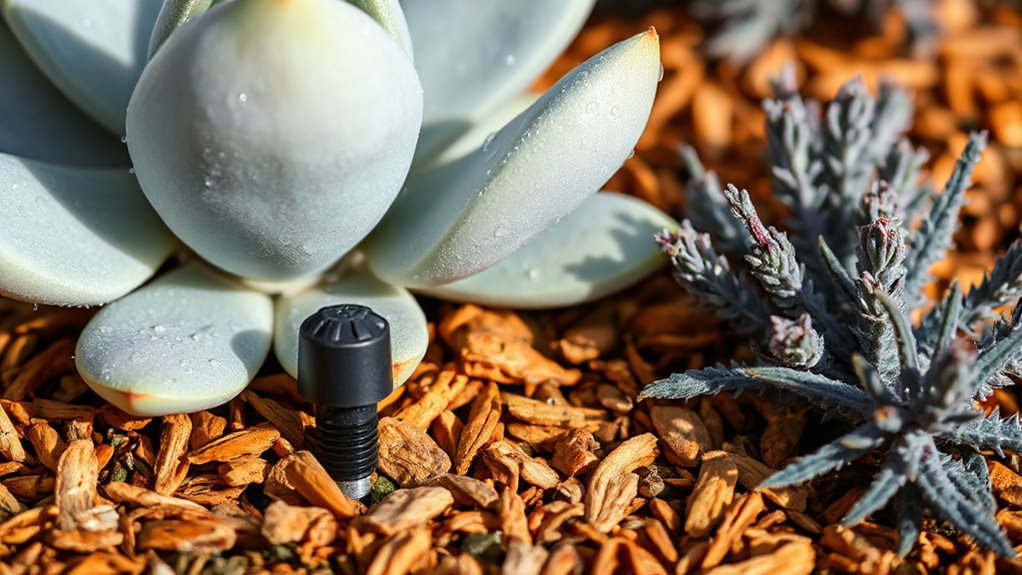
Establishing drought-tolerant plants doesn’t mean ignoring them—your care in the first few months shapes their long-term resilience.
Water daily at first, then taper to weekly as roots deepen.
After year three, water monthly or rely on rain.
Use deep, infrequent soaks, mulch to retain moisture, and water early in the morning to reduce waste and support strong, self-sufficient growth.
Deep Watering Techniques for Stronger Roots
Tap into your garden’s full potential by watering deep, not wide—this means supplying moisture straight to the root zone, where it’s needed most.
You encourage stronger, deeper roots by using slow, infrequent soaks that penetrate 12–18 inches down. Swap shallow sprinkling for drip systems or soaker hoses, and let water cycle in stages to prevent runoff. This smart approach enhances drought resilience, improves nutrient uptake, and builds healthier, more self-reliant plants over time.
Save Water With Mulch and Soaker Hoses
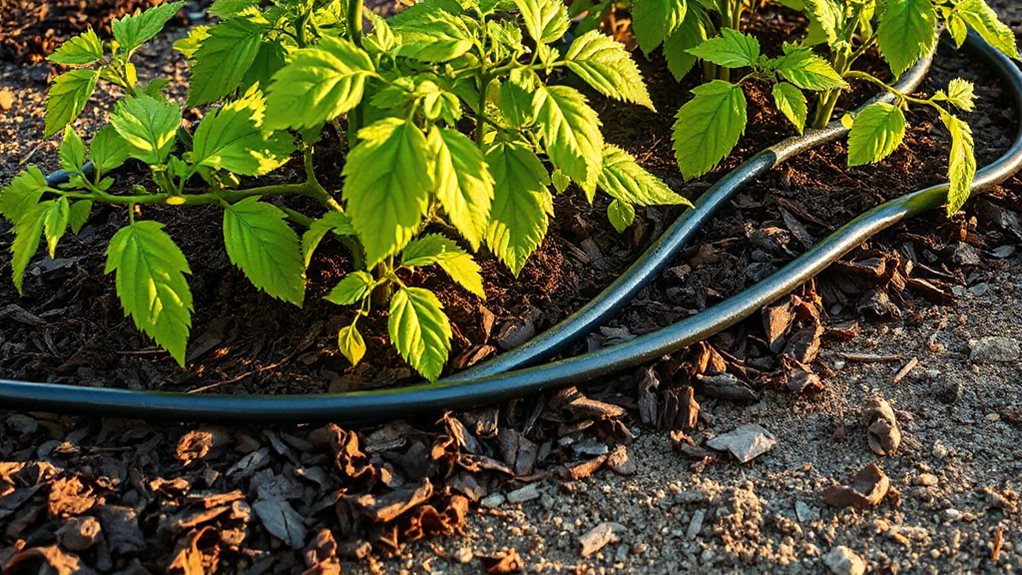
You can save significant water by mulching your garden beds with organic materials like straw or pine bark, which reduce evaporation by up to 33% and enhance soil moisture retention.
Pair that with soaker hoses, and you’ll deliver water directly to the roots where it’s needed, minimizing runoff and evaporation. This combo not only conserves water but also promotes healthier soil and stronger plant growth over time.
Mulch Retains Soil Moisture
While your garden’s soil can lose all its moisture in just a few days without protection, applying mulch dramatically slows evaporation and helps retain essential water.
You’ll keep soil cooler and reduce watering needs by up to two-thirds. Grass clippings, hemp bedding, and bran mulch offer high retention, while a 3–4 inch layer of straw or yard waste optimizes moisture savings, especially in summer.
Soaker Hoses Deliver Efficiently
A soaker hose pairs perfectly with mulch to keep your garden hydrated with precision and minimal waste, building on the moisture-retaining benefits you already gain from a well-mulched bed.
You’ll deliver water directly to the roots at about 0.5 gallons per foot per hour, reducing evaporation and runoff.
With 90% efficiency—similar to drip irrigation—and easy faucet attachment, it’s a smart, water-saving choice for any gardener looking to conserve.
Reduce Runoff With Slow Watering
Because water moves more efficiently when it has time to soak in, slowing down your irrigation helps minimize runoff and maximize root absorption—especially when you’re using mulch and soaker hoses together.
You’ll conserve moisture, reduce evaporation by up to 80%, and maintain consistent soil hydration, letting your garden thrive with less waste and fewer watering cycles.
How Weather Changes Affect Your Watering Schedule
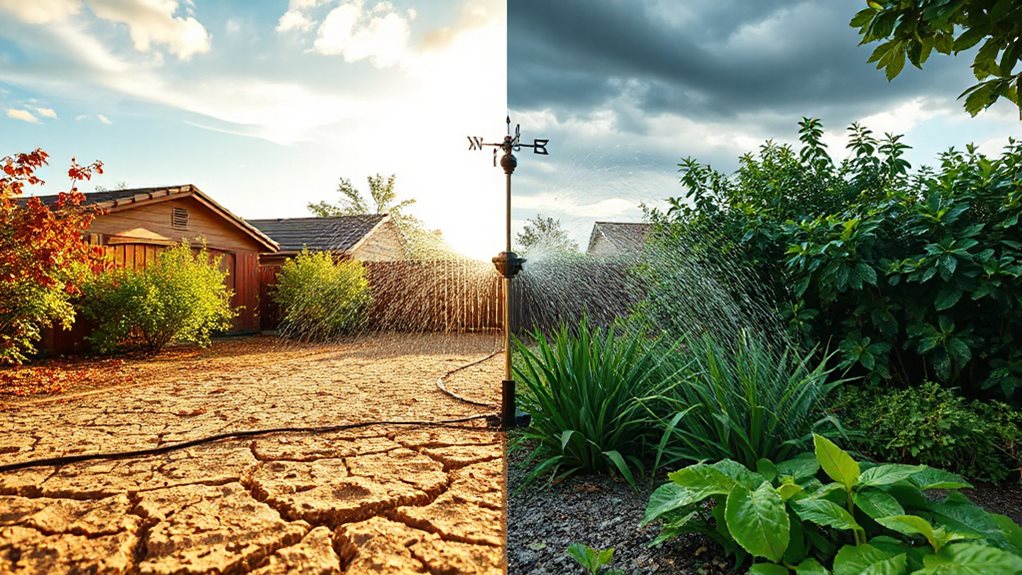
When temperatures rise, your garden’s water needs change fast, and keeping up means adjusting your routine to match the weather’s pace. You’ll water more often in heat, especially container plants that dry out quickly.
Use weather forecasts and rain gauges to tweak schedules, reduce watering after rain, and increase it during dry spells. Smart systems help by adjusting runtimes based on evapotranspiration, so your plants stay healthy without guesswork.
Special Cases: Seeds, Lawns, and Raised Beds
While your general watering routine keeps most of the garden thriving, tending to special cases like seeds, lawns, and raised beds demands closer attention and customized strategies.
Keep seedbeds consistently moist, watering daily—or more in hot weather—without saturating them. Once seedlings sprout, water at their base to prevent disease. Established native lawns need deep, infrequent watering, while raised beds, which dry faster, benefit from regular monitoring and targeted irrigation to maintain healthy root development.
Final Note
You’ll keep your garden thriving by adjusting your watering schedule to plant needs, season, and soil type. Water deeply and less often to encourage strong root growth, especially in trees and shrubs. Use mulch and soaker hoses to conserve moisture and reduce waste. Remember, morning watering minimizes evaporation and disease risk. Whether tending seedlings, containers, or raised beds, consistent, smart practices lead to healthier, more resilient plants over time.

Nathan McPhail is a garden and home DIY expert who writes practical, easy-to-follow advice for homeowners and gardeners. Through Yardique, he shares hands-on tips covering gardening, lawn care, landscaping, home improvement, repairs, tools, and outdoor living. His focus is on helping readers solve everyday household and yard problems with straightforward guidance, useful techniques, and practical solutions.