You make homemade compost tea by steeping mature, microbe-rich compost in non-chlorinated, aerated water for 24–48 hours, extracting beneficial microbes and nutrients. It enhances plant growth, improves soil health, and helps suppress diseases. Use high-quality compost, add microbial food like molasses, and brew with strong aeration to fuel beneficial organisms. Apply the tea within hours for best results, either as a foliar spray or soil drench—timing it with active growth maximizes benefits. There’s more to get right for consistent results.
TLDR
- Compost tea is a nutrient-rich liquid made by steeping mature compost in water to extract beneficial microbes and soluble nutrients.
- It enhances plant growth, boosts soil health, and can increase yields by improving nutrient availability and suppressing pests.
- Use high-quality, fully decomposed compost and non-chlorinated water to ensure a safe, effective brew.
- Brew with aeration for 24–48 hours, adding microbial food like molasses, then strain and use within hours for best results.
- Apply as a foliar spray or soil drench during active growth, ideally in the morning or on overcast days.
What Is Compost Tea?
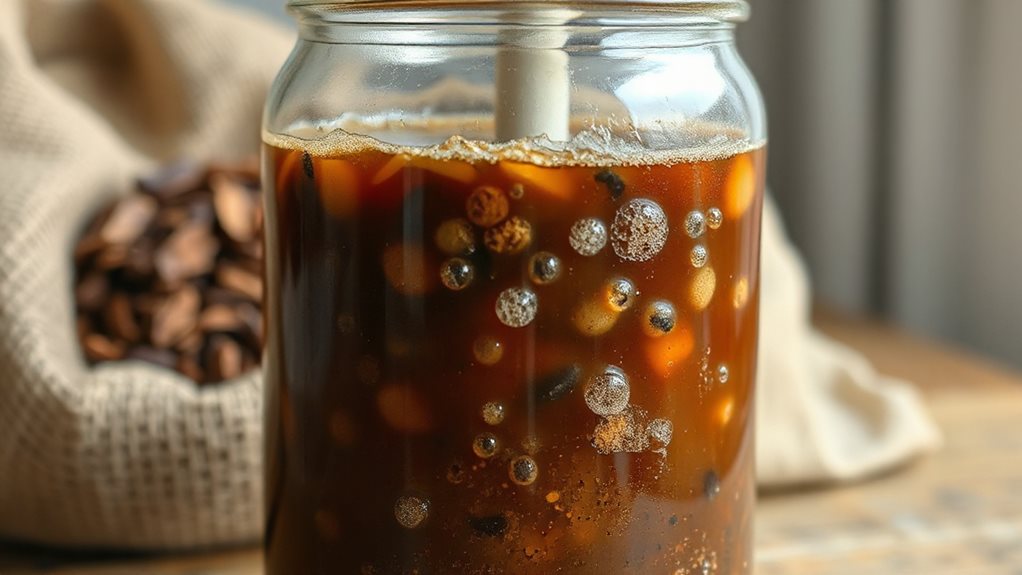
Steeping compost in water to create a nutrient-rich liquid liberates a powerful tool for your garden.
You’re making a liquid extract teeming with beneficial microbes and soluble nutrients by soaking compost in water.
Whether aerated or not, compost tea enhances soil life and plant health.
It’s a simple, time-tested practice that turns modest compost into a potent, natural stimulant for your plants.
The effectiveness of compost tea is often attributed to the living microorganisms and their metabolites, which are extracted during brewing living microorganisms.
A well-brewed compost tea can also help suppress pests and diseases through beneficial microbes that improve plant vigor.
How Compost Tea Supercharges Your Plants
You’ve already seen how compost tea is made by steeping compost in water to extract a rich blend of microbes and nutrients—now let’s investigate how that liquid gold converts your garden from the roots up.
You enhance nutrient availability, fueling stronger growth with microbes that break down organic matter and release phosphorus and potassium. Your plants thrive with enhanced vigor, yield increases up to 110%, and improved resilience, all while nurturing healthier, more balanced soil life. Large-scale systems or high-volume compost inputs, like expandable bins, can supply the steady compost needed for frequent tea brewing.
Pick the Best Compost for Tea Brewing
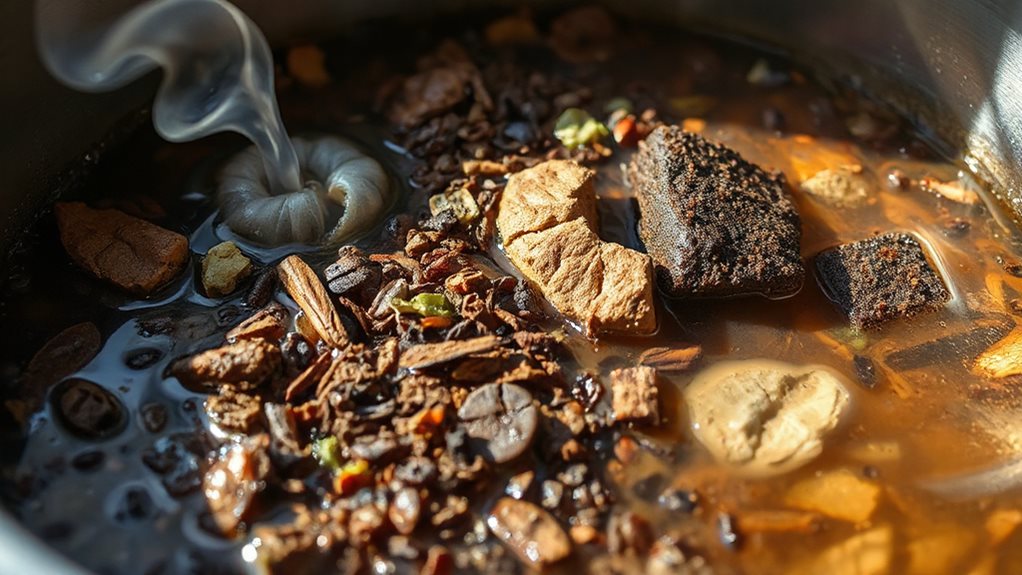
Choose high-quality compost like vermicast or well-composted cow manure to guarantee your tea is rich in beneficial microbes and free from harmful pathogens.
Avoid contaminated materials such as fresh manure or compost that didn’t reach hot decomposition temperatures, since these can introduce toxins or disease.
Using clean, diverse compost sources enhances nutrient content and microbial life, giving your plants a strong, healthy foundation.
High-Quality Compost Sources
The foundation of a potent compost tea starts with the quality of your compost, and not all compost is created equal. You’ll want fully decomposed, hot-composted material to kill pathogens, especially when using manure. High-grade vermicast works wonders too, needing just 2–3 cups per five gallons.
Mature compost with a rich, earthy smell and dark color guarantees strong microbial life, while diverse plant-based composts—like nettles or comfrey—boost bioactive compounds, giving you consistent, powerful brews every time.
Avoid Contaminated Materials
While your compost may look rich and ready, hidden contaminants can undermine the microbial importance your tea depends on. Avoid chlorinated tap water—let it sit overnight or use rainwater instead.
Skip diseased plants, immature manure, or herbicide-treated clippings. Screen compost through a ½-inch mesh, use organic inputs, and sift amendments like wood ash to protect biology, equipment, and your plants.
Brew Compost Tea in 4 Simple Steps
Start by preparing your water—let it sit for 6–12 hours to reach ambient temperature and remove chlorine either by aerating or adding powdered vitamin C.
Once your water’s ready, add compost to a brew bag, massage it thoroughly to release microbes, then mix in microbial foods like molasses, fish hydrolysate, and kelp before turning on the air pump.
Keep the tea brewing for 24–48 hours depending on temperature, strain it through a second filter, and use it within four hours for best results.
Coconut coir is an excellent peat-free amendment that improves moisture retention and aeration when added to potting mixes or used as a mulch coir benefits.
Brewing Basics
Once you’ve gathered your materials and prepared your workspace, brewing compost tea becomes a straightforward process that converts simple ingredients into a powerful, microbe-rich solution for your plants.
Fill your brewer with non-chlorinated water, add compost in a brew bag, aerate vigorously, and monitor for 24–36 hours, ensuring peak microbial growth without over-brewing.
Strain And Use
Now that your compost tea has finished brewing, it’s time to separate the liquid gold from the spent solids—don’t skip this step, as straining guarantees a smooth, clog-free application and maximizes microbial delivery to your plants.
Pour the brew through a mesh bag into a clean container, then use it within hours for best results. Dilute 1:10 with water and apply as a foliar spray or soil drench using a sprayer or watering can.
Perfect Your Brew: Time, Aeration, and Signs of Success

While brewing compost tea might seem straightforward, getting the timing just right guarantees you employ the full potential of beneficial microbes.
Match brew time to temperature—24 to 72 hours depending on warmth—and always aerate well to fuel microbial growth.
Watch for vigorous bubbling and a sweet, earthy smell, then use within 24–48 hours for peak effectiveness.
Remember to avoid overuse and consider soil needs, since excessive organic amendments can cause poor drainage and nutrient imbalances.
Avoid Compost Tea Risks and Contamination
You’ve optimized your brew time and made certain steady aeration to cultivate a thriving microbial community, but even the best-prepared compost tea can pose serious risks if contamination isn’t carefully managed.
Use only fully decomposed, pathogen-free compost—preferably plant-based—and avoid manure or diseased materials.
Skip sugary additives like molasses, which can fuel *E. coli* and *Salmonella*.
Brew aerobically, apply immediately, and reserve tea for non-edible plants to keep your garden and family safe.
Also consider using septic-safe microbial treatments in nearby systems to avoid introducing harmful chemicals into your garden runoff.
When to Use Compost Tea in Your Garden
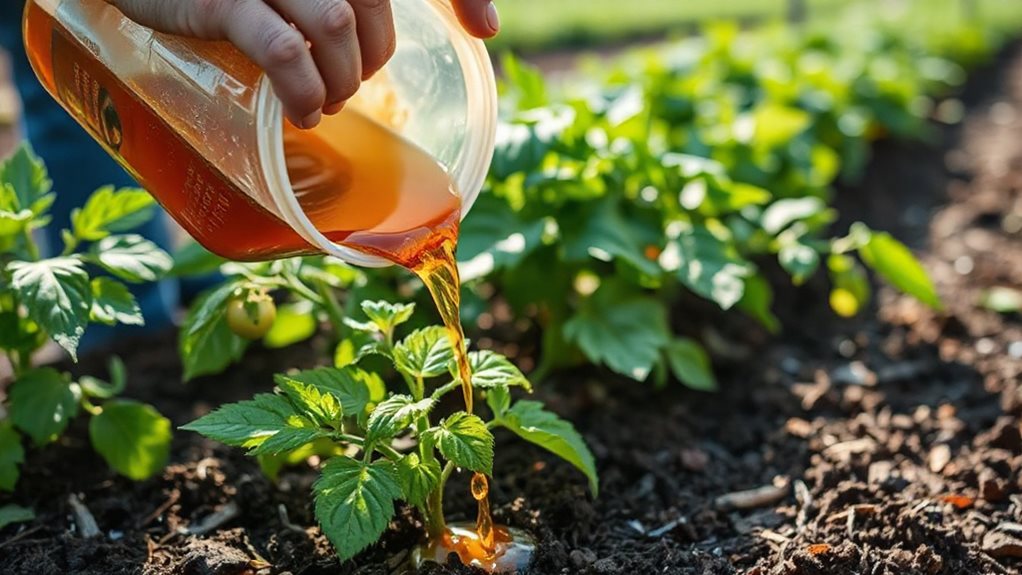
Since beneficial microbes thrive when plants are actively growing, timing your compost tea applications to align with seasonal cycles and plant development maximizes its effectiveness.
Apply in early spring before planting, every 2 weeks for woody plants, then monthly through summer.
Use weekly to monthly for annuals, ideally in the morning or on overcast days, right after rain, or during active growth stages like bud break or pre-flowering.
Why Your Soil Loves Compost Tea
Your soil comes alive with compost tea, and for good reason—it’s packed with beneficial microbes that kickstart a thriving underground ecosystem.
You enhance nutrient availability, improve water retention, and suppress pathogens naturally.
These microbes improve soil balance, reduce fertilizer and water needs, and help crops thrive under stress.
With compost tea, you’re not just feeding plants—you’re nurturing a healthier, more resilient soil food web that supports sustainable growth season after season.
Final Note
You’ve learned how compost tea increases plant health and soil biology. By using quality compost, proper aeration, and correct brewing times, you create a potent, beneficial microbial solution. Always apply it promptly and store properly to avoid contamination. Used at the right time, compost tea enhances nutrient uptake and strengthens plant resilience. Your garden thrives when you feed the soil, not just the plants—making this simple practice a smart, sustainable choice for long-term soil vigor and sturdy plant growth.

Nathan McPhail is a garden and home DIY expert who writes practical, easy-to-follow advice for homeowners and gardeners. Through Yardique, he shares hands-on tips covering gardening, lawn care, landscaping, home improvement, repairs, tools, and outdoor living. His focus is on helping readers solve everyday household and yard problems with straightforward guidance, useful techniques, and practical solutions.