Start small and match your garden size to the time you can commit—just 15 minutes a few times a week. Pick the sunniest spot, ideally with six or more hours of direct light, and use containers or raised beds for better control. Choose compact varieties like bush cucumbers or patio tomatoes, and plant in triangles to grow more in less space. Rotate crops, feed the soil with compost, water deeply in the morning, and mulch to retain moisture—your plants will thrive with less stress and higher yields. There’s a smarter way to maximize every square foot.
TLDR
- Start with a small, manageable garden to match your available time and avoid overwhelm.
- Choose the sunniest spot—most vegetables need at least six hours of direct sunlight daily.
- Use containers or raised beds to maximize space and improve soil control in small yards.
- Grow compact or dwarf plant varieties suited for small spaces and higher yields.
- Train vining plants vertically and intercrop compatible species to save space and boost productivity.
Start Small: Big Gardens Often Fail
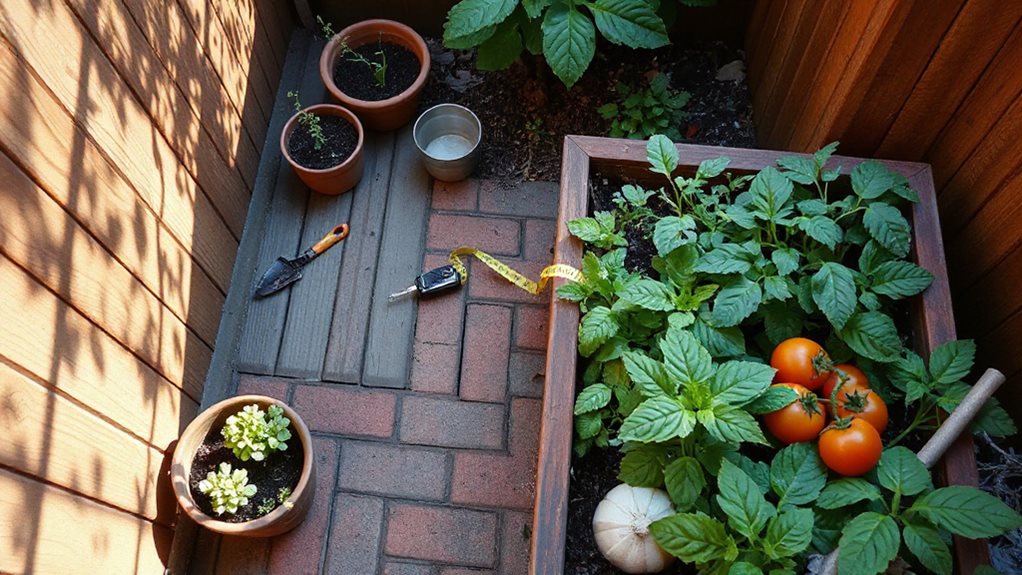
You’ll often find that starting small is the most effective way to guarantee your garden thrives, especially in a limited space.
Overambitious plans often fail due to time, budget, or skill limits. Begin with a simple design, focus on suitable plants for your USDA zone, and gradually expand.
This approach builds confidence, reduces frustration, and creates lasting success through hands-on learning and manageable progress.
Even in urban areas where food security challenges persist, a well-planned small garden can contribute meaningfully to nutrition and dietary diversity.
Consider using a raised bed to maximize growing area and improve drainage in compact yards.
Match Garden Size to Your Weekly Time
Match your garden size to 15 minutes daily or bi-weekly care, using drip irrigation and task batching to save time, so maintenance stays realistic, effective, and rewarding without overwhelming your schedule. Deep, consistent watering with soaker hoses encourages healthy root development and reduces disease risk.
Find Full Sun for Your Small Garden
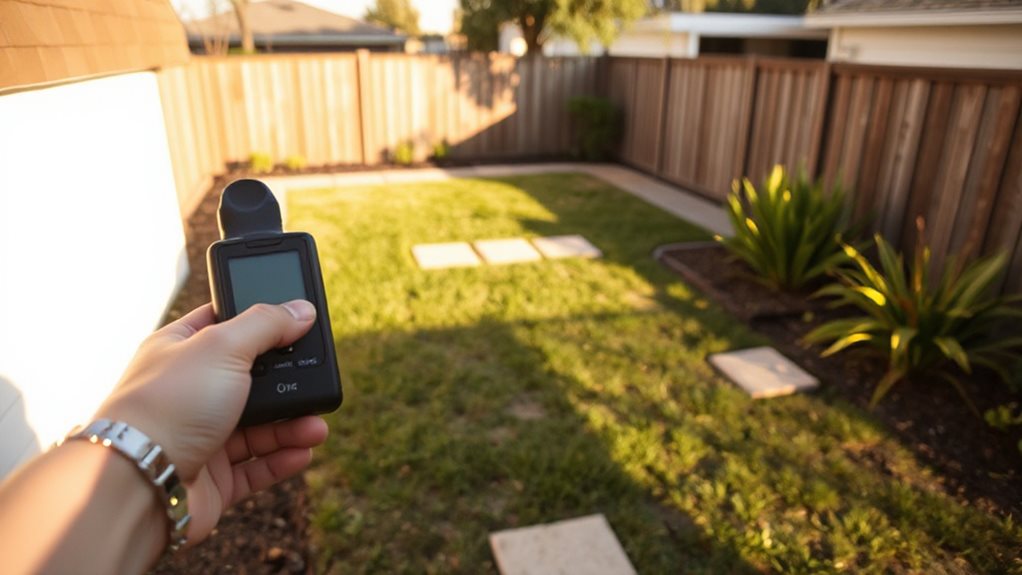
Pinpointing the sunniest spot in your yard sets the foundation for a thriving small garden, since most vegetables, flowers, and fruiting plants need at least six hours of direct sunlight daily to grow strong and productive.
Focus on southern or western exposures, observe light patterns, and place sun-loving crops like tomatoes, peppers, or coneflowers there. Keep soil moist and consider drought-tolerant natives like lavender or sage. In Virginia, knowing your local USDA planting zone can help you choose plants suited to your winter minimums, especially if you garden in Zone 7b or 8a where average minimum temperatures vary across the state.
Choose Compact Vegetables That Thrive
Now that you’ve identified the sunniest corner of your yard—where light fuels growth and productivity—focus on selecting vegetables bred for small spaces without sacrificing yield.
Choose compact varieties like Pixie cabbage, Salad Bush cucumbers, or Confetti peppers, all thriving in containers. Space them properly, welcome intercropping with carrots and radishes, and enjoy abundant harvests even in tight, urban gardens. Consider growing peppers in 5-gallon buckets to maximize space while giving each plant enough room and drainage.
Plant Closer in Triangles for More Yield

You can fit about 15% more plants in your garden by arranging them in a triangular pattern instead of rows, since each plant sits in the gap between two others, forming equilateral triangles.
This close, offset spacing maximizes yield by capturing more sunlight and reducing bare soil, which means fewer weeds and better use of nutrients.
For small plots, stick to the recommended mature width halved for initial spacing, and use a measuring tape to keep your zigzag pattern consistent.
Lightly sand the planting area or beds beforehand to improve soil contact and ensure better plant establishment.
Maximize Space With Triangular Layouts
Lay out your plants in tight triangular patterns and watch your small yard become a thriving, efficient garden.
You maximize space, create depth, and increase yield by grouping plants with similar colors, textures, or forms.
Position one taller plant at the triangle’s peak for vertical interest.
This smart layout improves drainage, guides the eye, and blends practicality with beauty, making your compact garden feel spacious, organized, and full of life.
Optimize Yield Through Closer Spacing
Arranging plants in tight triangular patterns not only enhances visual depth but also sets the stage for maximizing harvest through strategic spacing.
You’ll increase tomato yields by using 20×60 cm spacing, though expect slightly smaller fruits.
While closer planting increases total yield, make sure good airflow to reduce disease risk.
Uniform corn spacing also matters—aim for consistency to avoid yield loss.
Boost Productivity In Small Plots
When maximizing output in compact growing spaces, planting in triangular patterns proves far more efficient than traditional square layouts. You fit up to 16% more plants by offsetting rows in a zigzag formation, ensuring equal access to sunlight, water, and nutrients.
This method enhances yield, protects against wind, and simplifies harvesting—all ideal for small yards where every inch counts.
Train Vines Up Trellises, Not Out
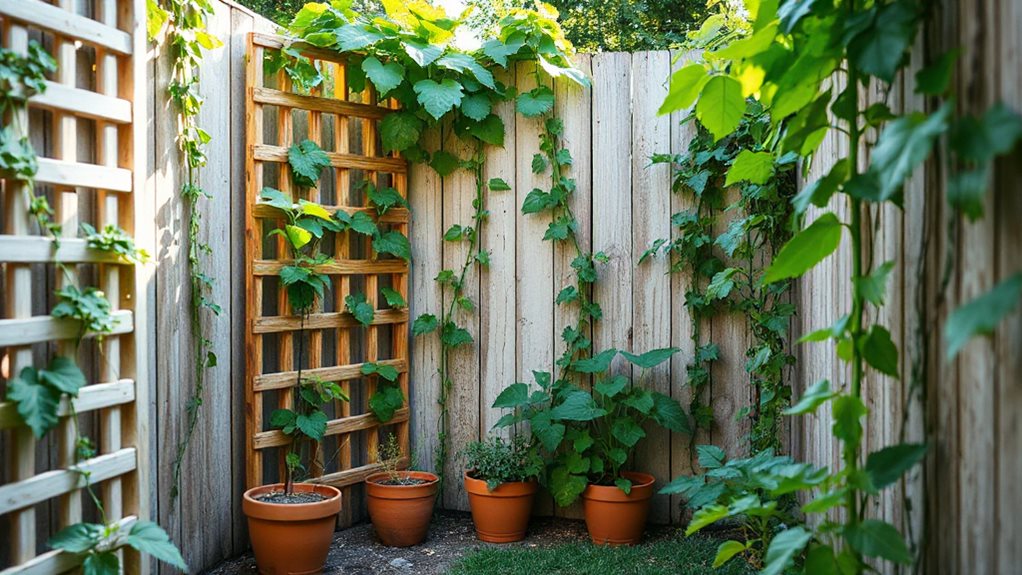
Think beyond the ground and let your vines reach skyward—training them up trellises instead of letting them sprawl saves space while enhancing both plant health and harvest quality.
You’ll increase airflow, reduce disease, and make harvesting easier at arm’s length.
Use soft ties or clips to guide growth, choose strong supports like VSP or cordon systems, and prune annually to maintain shape and productivity in your small-space garden.
Rotate Crops for Year-Round Harvests
Maximize your small yard’s potential by rotating crops to sustain soil fertility and enhance harvests throughout the year. You’ll prevent nutrient depletion and pest buildup by switching plant families seasonally.
Include legumes to boost soil, then follow with heavy feeders like tomatoes. Use simple three-year cycles, add cover crops, and pair with succession planting so your garden stays productive, healthy, and rewarding all year long.
Begin With a Container Garden
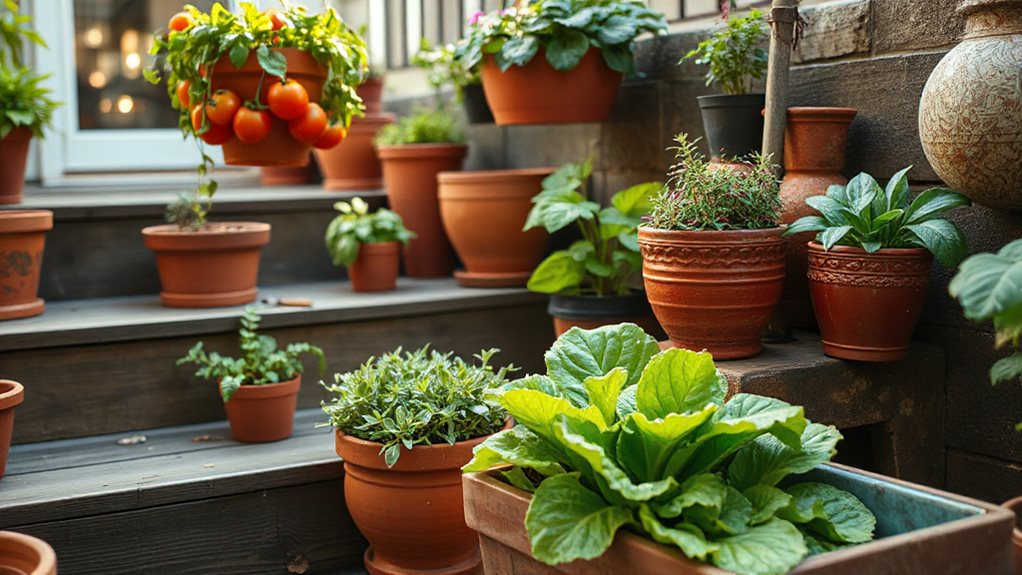
You can start small by choosing compact containers with good drainage, like lightweight resin pots or repurposed buckets, to fit tight spaces such as balconies or patios.
Plant easy-to-grow herbs like basil or thyme in high-quality potting mix, which supports healthy roots and better yields.
These simple steps give you flexibility to move plants for sunlight and add greenery without needing a large yard.
Compact Container Choices
A well-chosen container sets the foundation for a thriving small-space garden, and your options go far beyond the typical clay pot.
You can use plastic, fabric, or ceramic pots, storage totes, or even metal tubs—just make sure drainage holes and a gravel layer.
Pick sizes matching your crops: 5 gallons for tomatoes, 1–2 for herbs.
Darker pots help peppers and eggplants by warming roots, while shallow trays work for lettuce and greens.
Easy Herb Starts
Often, the simplest way to begin gardening in a small space is by growing herbs in containers—no yard required. You’ll enjoy fewer pests and diseases, plus skip weeding entirely.
With minimal setup and seed packets under $2.50, you save money while harvesting fresh, flavorful herbs steps from your kitchen. These low-maintenance plants thrive in pots, making gardening accessible, efficient, and rewarding for everyone.
Use Raised Beds for Easy Small-Space Control
Stepping up your gardening game with raised beds releases precise control over every aspect of your small-space plot, starting with the soil itself.
You fill them with high-quality, amended soil for ideal texture, drainage, and nutrients, overcoming poor native conditions.
Targeted fertilizing enhances uptake, while clean soil and defined borders slash weeds and pests.
With better drainage, warmer spring soil, and no compaction, you maximize yields in compact, accessible beds perfect for intensive planting.
Feed Soil and Water Wisely for Bigger Yields
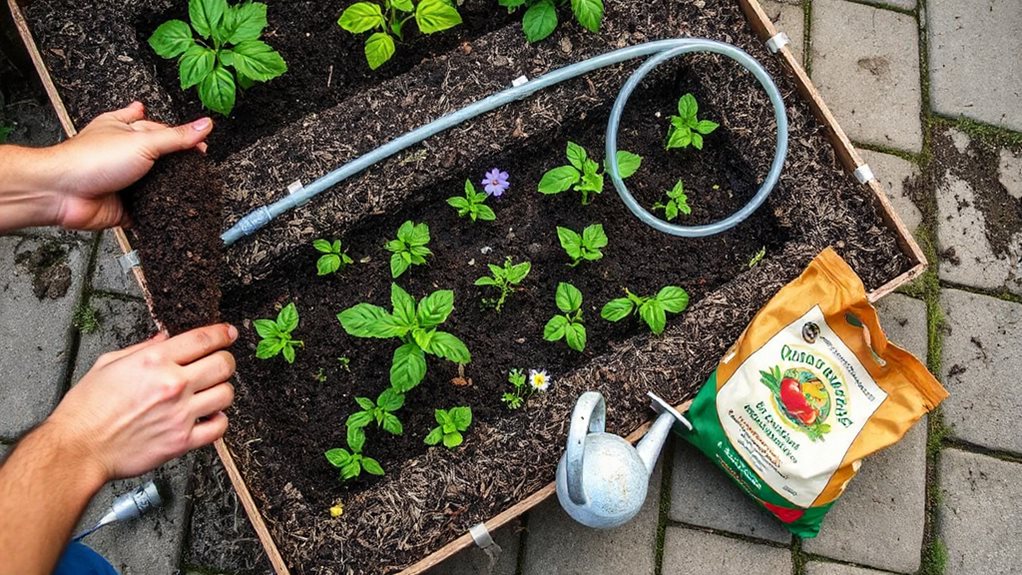
Now that you’ve set up your raised beds to optimize space and soil conditions, it’s time to focus on what keeps your plants thriving—smart feeding and efficient watering.
Test your soil first, then add compost or gypsum to improve structure and nutrients. Use mulch and deep watering to retain moisture, and rely on morning irrigation to reduce evaporation.
With balanced feeding and precise watering, your small garden will yield more, sustainably.
Final Note
You’ve got what it takes to grow a thriving small-yard garden by starting simple and working smart. Match your space to your time, choose compact crops, and plant in triangles for better yields. Use containers or raised beds to control soil and drainage, rotate crops for continuous harvests, and feed your plants wisely. With full sun and careful planning, even the smallest plot can produce abundantly—no guesswork, just results.

Nathan McPhail is a garden and home DIY expert who writes practical, easy-to-follow advice for homeowners and gardeners. Through Yardique, he shares hands-on tips covering gardening, lawn care, landscaping, home improvement, repairs, tools, and outdoor living. His focus is on helping readers solve everyday household and yard problems with straightforward guidance, useful techniques, and practical solutions.