
Skipping permits or using unlicensed electrical work risks fire, voids insurance, and fails inspections, cutting your home’s value. Poor plumbing with mismatched materials causes leaks and mold, while bad flooring or tile work signals shoddy craftsmanship. Inadequate bathroom ventilation traps moisture, damaging walls and air quality. Mismatched paint finishes or cheap materials create a disjointed look buyers notice. Neglecting curb appeal or code compliance turns off buyers fast—smart upgrades require the right steps, and there’s more to get right than most realize.
TLDR
- Unpermitted electrical work can void insurance, fail inspections, and lead to costly rework or fines.
- Hidden plumbing leaks from DIY errors cause mold, structural damage, and average repairs over $5,000.
- Installing tile or flooring over improper substrates leads to cracks, moisture damage, and reduced resale value.
- Mismatched materials and poor paint finishes create a disjointed look that deters buyers and lowers perceived value.
- Neglected curb appeal, like overgrown lawns or cracked driveways, reduces offers and can lower home value by up to 14%.
Attempting Electrical Work Without Proper Licensing

While it might seem like a cost-saving move to handle electrical upgrades yourself, skipping proper licensing and cutting corners can lead to serious safety risks and long-term financial consequences.
You risk fire hazards, electrocution, and code violations that could void insurance or stall a home sale.
Unlicensed work often requires costly rework, lowers property value, and offers no warranty—putting your family and investment at risk.
Failure to meet National Electrical Code requirements can result in failed inspections and legal penalties.
Always match circuit size to wire ampacity and avoid undersized wiring like using 10 gauge on a 40-amp circuit, which can cause overheating of the wire.
Poorly Executed Plumbing Repairs Leading to Water Damage
You might save a few bucks fixing a leaky pipe yourself, but using the wrong materials—like PVC fittings on copper pipes or standard PVC for hot water lines—can lead to serious leaks and costly damage.
Even a small 1/8-inch crack can release 250 gallons a day, saturating floors and walls while going unnoticed behind walls or under floors.
These hidden leaks often result in mold, structural issues, and repair bills averaging $5,000 or more, especially since most insurance policies won’t cover damage from DIY plumbing mistakes.
When working in tight spaces, choosing the right tool—such as an auto-cut pipe cutter or an oscillating multi-tool—can prevent sloppy cuts and further damage to pipes, because improper cutting often causes burrs and poor fittings that lead to leaks; consider learning proper cutting techniques and using a pipe cutter in confined areas.
DIY Plumbing Errors
Tackling plumbing repairs on your own can backfire quickly when improper connections, flawed seals, or incompatible materials lead to hidden leaks and serious water damage.
Using wrong fittings or sealing poorly risks mold, structural harm, and costly repairs.
DIY code violations may void warranties and insurance, reducing home value.
Hire a licensed plumber to guarantee safe, lasting work that protects your investment and keeps your home in trusted, professional hands.
Hidden Water Damage
Poor plumbing repairs often do more than just fail—they hide behind walls and under floors, quietly causing water damage that erodes both your home’s structure and its market value.
Undetected leaks lead to mold, weakened floors, and foundation issues, cutting resale value by 10% to 30%.
Even minor damage lowers appeal if buyers suspect poor maintenance, making professional fixes and documentation essential for trust and value preservation.
Incorrect Installation of Flooring That Reduces Aesthetic Appeal

You mightn’t realize how uneven floor installation can ruin the look of a room, especially when gaps and misaligned planks draw the eye instead of a smooth, continuous surface.
Choosing mismatched materials, like pairing a trendy vinyl plank with outdated tiles, breaks the flow and makes spaces feel disjointed. These issues aren’t just cosmetic—they signal poor craftsmanship and can turn off potential buyers. Installing inappropriate materials over unsuitable substrates, such as tiling directly over standard drywall without proper backer board, can lead to moisture-related damage and reduce the longevity and value of your floors.
Uneven Floor Installation
While installing new flooring can refresh a space and enhance curb appeal, doing it incorrectly—especially when the job results in uneven surfaces—can do more harm than good.
You risk signaling structural issues, turning off buyers, and reducing resale value. Sloping or bouncy floors raise red flags, while poor installation invites moisture damage and costly repairs—invest in professional work to protect your home’s worth.
Mismatched Material Choices
When flooring materials clash in style, color, or texture across rooms, they disrupt the visual flow of your home and create an immediate sense of disconnection for potential buyers.
You risk drawing attention away from your home’s best features while raising concerns about maintenance.
Mismatched floors can weaken design cohesion, reduce perceived value, and lead to lower offers, especially in competitive markets where updated, consistent flooring stands out.
Inadequate Ventilation in Bathrooms Causing Mold Growth
Because moisture lingers long after showers without proper airflow, bathrooms are prime spots for mold growth when ventilation falls short.
You might notice foggy windows, musty smells, or discoloration on tiles—clear signs of trapped humidity.
Without ducted exhaust fans or balanced air exchange, mold thrives on damp drywall and grout, risking health and devaluing your home.
Act early: vent exhausts outside, control humidity, and guarantee consistent airflow to protect your space. Use moisture meters and thermal imaging to locate hidden dampness and catch problems before they spread.
Mismatched Paint Finishes That Deter Potential Buyers

Moisture damage from poor bathroom ventilation isn’t the only silent value-killer lurking in your home—paint finish mismatches can turn off buyers just as quickly.
You risk making spaces feel disjointed when glossy walls clash with matte surfaces, highlighting imperfections and suggesting poor upkeep.
Inconsistent sheens confuse light flow, deter buyers, and cost you up to $3,915.
Uniform, neutral finishes enhance appeal, guarantee professionalism, and protect your investment.
When repainting, make sure to lightly sand any semi-gloss surfaces before applying a lower-sheen paint to ensure proper adhesion.
Structural Modifications Made Without Engineering Guidance
While you might save money upfront by tackling structural changes yourself, skipping professional engineering guidance can compromise your home’s safety, legality, and long-term value.
Unpermitted work risks fines, failed inspections, and costly repairs, while poor execution may void insurance or deter buyers. Properly documented, code-compliant modifications protect your investment and guarantee peace of mind for you and future homeowners.
Improper Tile Work Resulting in Costly Repairs

When tile work looks off, buyers don’t just notice—they factor those flaws into their offers, and for good reason.
Crooked alignment, lippage, or uneven grout signals poor craftsmanship. Skipping subfloor prep or moisture barriers leads to cracks and debonding. Wrong material choices or bad installation cut ROI substantially. These issues cost more to fix later, hurt appraisals, and turn off buyers, ultimately shrinking your home’s resale value.
Overlooking Building Codes and Permit Requirements
You might think skipping permits saves time and money, but ignoring building codes and permit requirements can backfire in costly and unexpected ways.
You risk fines up to $37,500 daily, forced tear-outs, or failed home sales.
Unpermitted work voids insurance, skips safety inspections, and lowers property value.
Buyers spot violations during inspections, derailing deals.
Playing by the rules protects your investment and keeps your home safe, compliant, and market-ready.
DIY Kitchen Upgrades That Detract From Functionality
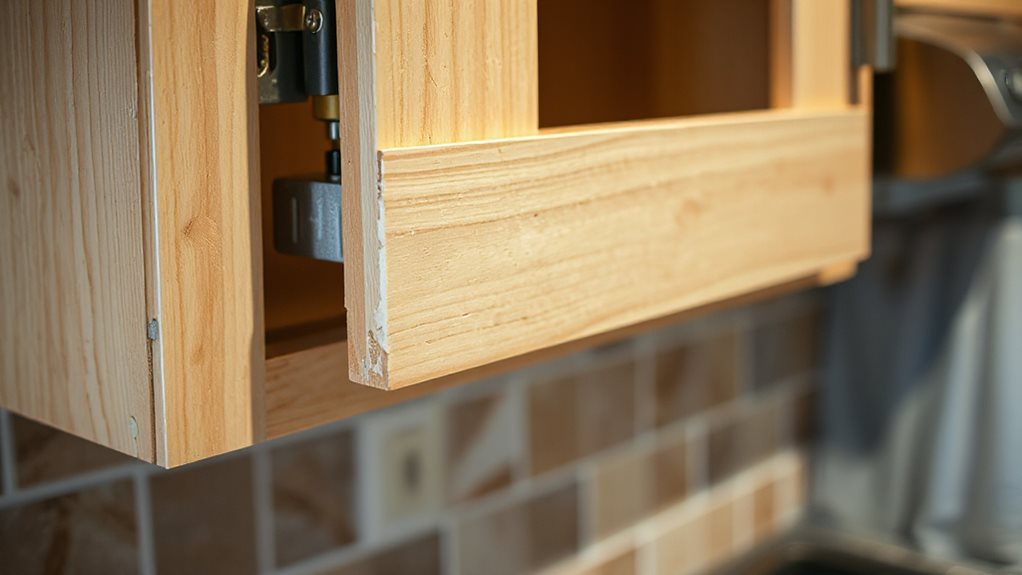
If you’re keen to modernize your kitchen, skipping professional guidance might seem like a shortcut, but poorly planned DIY upgrades often compromise the space’s efficiency and long-term value.
Incorrect layouts, mismatched materials, or faulty installations can hinder functionality, while inadequate lighting and ventilation reduce usability. These missteps not only frustrate daily use but may deter buyers, ultimately impacting your home’s appeal and resale potential.
Neglecting Curb Appeal While Focusing on Interior Projects
A striking interior won’t compensate for a lackluster exterior when buyers pull up to your home. You risk lower appraisals and reduced offers because neglected curb appeal signals deeper issues.
Overgrown lawns, cracked driveways, and worn paint deter buyers instantly. In competitive markets, strong exteriors enhance value by up to 14%. Don’t overlook this—98% of Realtors say curb appeal shapes buyer decisions.
Final Note
You can save money with DIY projects, but cutting corners risks lowering your home’s value. Avoid unlicensed electrical or plumbing work, skip permits, or poor installations—they often lead to costly fixes. Inconsistent finishes and mold from poor ventilation also deter buyers. Stick to code, use proper materials, and know when to hire pros. Smart, compliant upgrades protect both functionality and long-term resale appeal, ensuring your efforts add real value.

Nathan McPhail is a garden and home DIY expert who writes practical, easy-to-follow advice for homeowners and gardeners. Through Yardique, he shares hands-on tips covering gardening, lawn care, landscaping, home improvement, repairs, tools, and outdoor living. His focus is on helping readers solve everyday household and yard problems with straightforward guidance, useful techniques, and practical solutions.