
You’re setting up for long-term failure if you skip surface prep, leave dust or moisture behind, or use the wrong patching material. Trapped water under a roof seal or faulty electrical splices can hide damage that spreads silently. One missed step—like improper brake torque or a torn CV boot—can cascade into system-wide breakdowns. Cutting corners now often means paying twice later. See what hidden missteps could be lurking in your next fix.
TLDR
- Poor surface preparation or visible dust/moisture before patching indicates weak bonding and likely concrete repair failure.
- Trapped moisture under roofing or sealants suggests hidden damage that will worsen over time.
- DIY electrical work without permits or inspections risks code violations and long-term fire hazards.
- Skipping critical steps like brake bleeding or torque specs leads to cascading mechanical failures in vehicles.
- Repeated part replacements or tool purchases signal rising hidden costs and probable long-term repair failure.
Why DIY Concrete Repairs Fail in Months
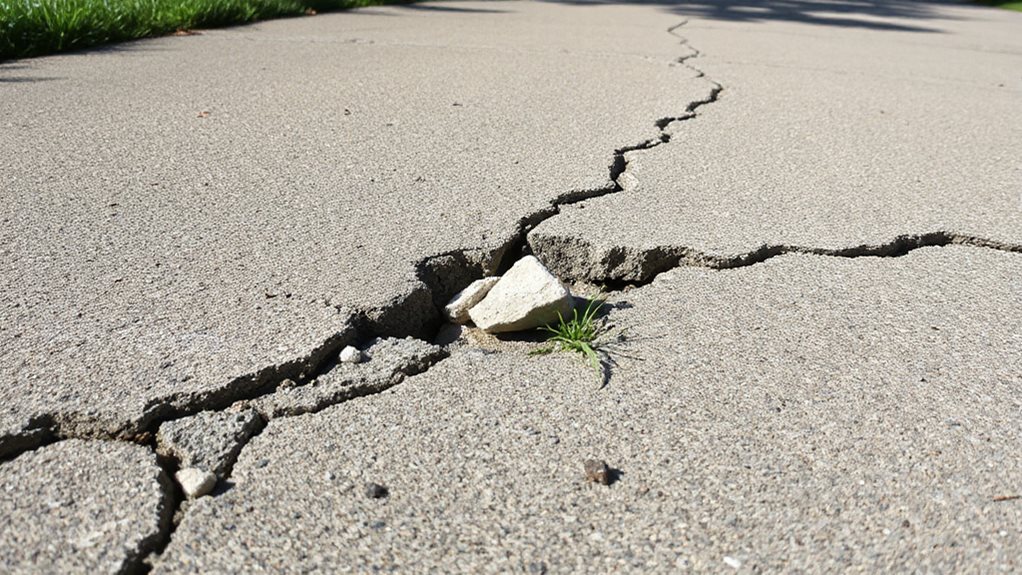
While you might patch that crack with the best intentions, most DIY concrete repairs fail within just a year—often because the surface wasn’t properly prepared or bonded.
Dust, moisture, or leftover sealers block adhesion, and without proper cleaning or priming, your repair won’t hold.
Skipping curing or using the wrong mix leads to weak, cracked patches that break down fast under stress or weather.
Many DIYers also overlook that 90% of professional repairs remain intact after five years versus 30% for DIY, making long-term durability a major concern with amateur fixes.
A common mistake is choosing the wrong material for the job, such as using a thin vinyl patcher where a stronger epoxy would be needed for durability.
Hidden Electrical and Roof Damage You Can’t See Yet
You might’ve sealed that roof crack or patched the concrete step with confidence, but unseen dangers can still be spreading overhead. Trapped moisture rots decking, while hidden corrosion eats wiring in damp attics. Fasteners can nick cables, and poor seals invite slow leaks. DIY electrical fixes may overheat or arc silently.
Without proper flashing or ventilation, damage grows beneath surfaces—compromising safety long before signs appear. Regular maintenance like testing pressure relief valves and inspecting valves and fittings can catch developing leaks before they cause major damage.
How One DIY Mistake Breaks Your Whole Vehicle System
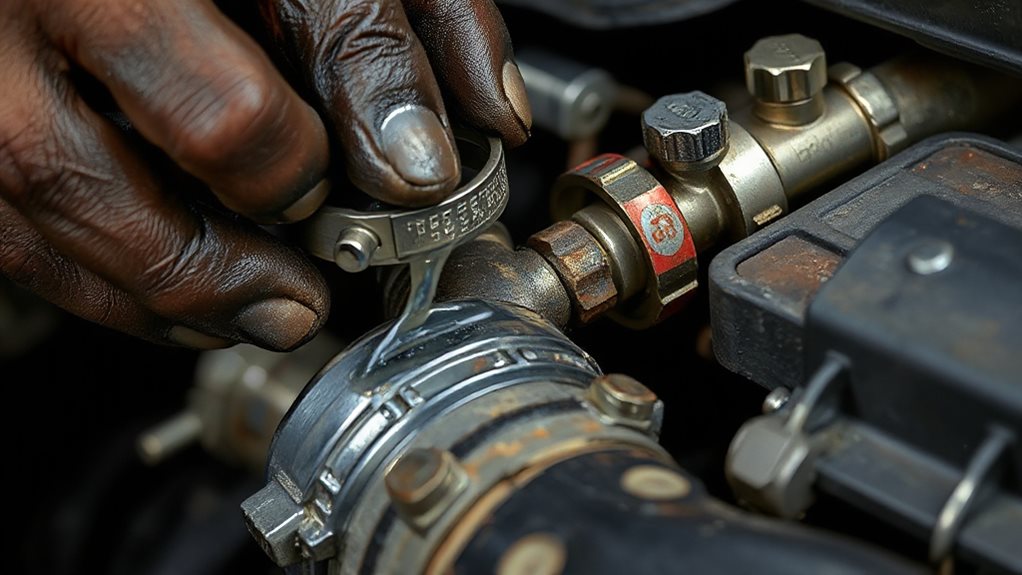
When a single misstep occurs during a DIY vehicle repair, the consequences can ripple through multiple interconnected systems, turning a seemingly minor fix into a major breakdown.
You might install brake pads wrong, skip bleeding the system, or torque a lug nut too tight—each mistake risking rotor warping, wheel detachment, or ABS failure.
A single error in timing, fluid choice, or alignment doesn’t just damage one part; it stresses your entire vehicle, compromising safety, performance, and longevity across critical systems you rely on every day.
Ignoring a torn CV boot can cause grease loss and lead to full CV joint failure, which may shatter the axle and immobilize the vehicle.
When DIY Repairs Cost Twice as Much as Pros
Because a single misstep in a DIY repair can cascade into a series of costly consequences, what starts as a budget-friendly fix often ends up doubling your expenses—especially when hidden costs like specialized tools, wasted materials, and incorrect parts come into play.
You skip the shop to save cash, but between botched alignments, wrong fluids, and missed diagnostics, you’re paying for parts twice and still need a pro—turning your savings into a net loss.
Hiring a licensed electrician can prevent these outcomes by ensuring proper installation and code compliance, especially when installing services like a 200-amp service or running new circuits.
Final Note
You might save upfront with a DIY repair, but cutting corners often leads to bigger issues down the road. Without proper tools or proficiency, hidden damage in electrical systems, roofs, or vehicles can worsen, costing twice as much later. Professionals spot underlying problems and apply lasting fixes, not temporary patches. When safety, durability, and long-term value matter, trusting a certified technician protects your investment and prevents avoidable setbacks. Choose wisely—some repairs just aren’t worth the risk.

Nathan McPhail is a garden and home DIY expert who writes practical, easy-to-follow advice for homeowners and gardeners. Through Yardique, he shares hands-on tips covering gardening, lawn care, landscaping, home improvement, repairs, tools, and outdoor living. His focus is on helping readers solve everyday household and yard problems with straightforward guidance, useful techniques, and practical solutions.