Skip to content

Signs a DIY Repair Will Fail Long-Term

If your DIY repair involves complex systems like plumbing or electrical, relies on short online videos, or skips proper tools and materials, it’s likely to fail long-term. Overlooking hidden damage, using incompatible parts, or missing permits increases risks. Without professional diagnostics, structural or safety issues may go undetected. Rushed timelines and improper workmanship often lead to costly rework. Insurance and resale problems may follow. You’re not just fixing a problem—you could be creating bigger ones down the line, and the full image gets clearer when you know what to look for.

TLDR

  • Hidden damage like structural misalignment or fluid contamination often goes undetected without professional diagnostic tools.
  • Incomplete online guides frequently omit safety steps, drying times, and code requirements, leading to flawed execution.
  • Using incompatible materials, such as mixing metals or wrong pipe cements, risks leaks, corrosion, and code violations.
  • Improper tools or techniques cause over-torquing, misaligned parts, and hidden workmanship flaws that compromise safety.
  • Lack of permits, inspections, or insurance compliance can void coverage and reduce property value long-term.

The Project Involves Technical Systems Beyond Basic Repairs

complex systems require professional diagnostics

While modern devices may seem easy to fix with online tutorials and replacement parts, diving into technical systems that go beyond basic repairs often leads to more problems than solutions.

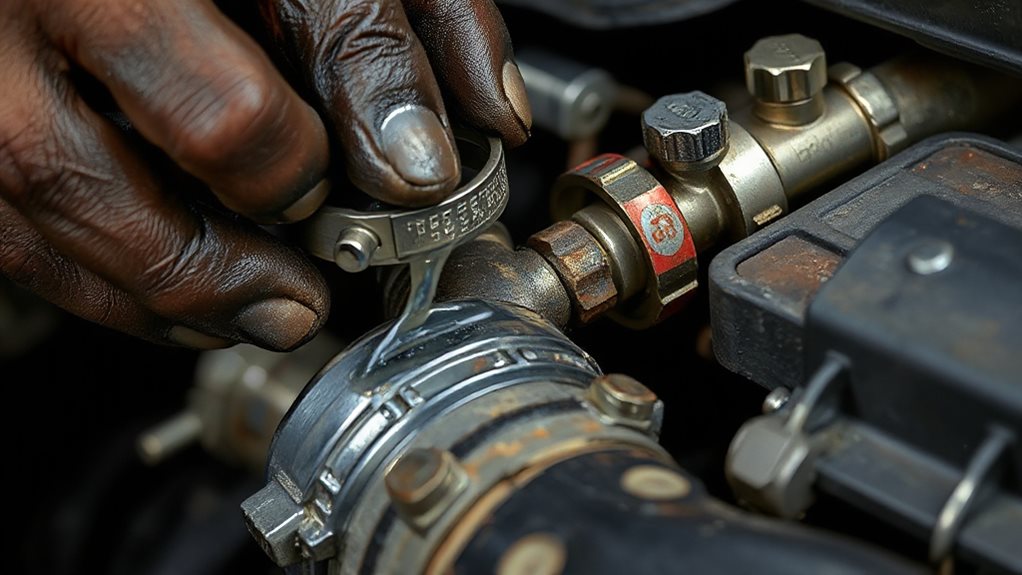
You’re likely facing interconnected failures, inaccurate predictions, and hidden complications. Without specialized tools or skills, your DIY attempt could cause induced faults, void warranties, and escalate downtime—especially when repairs demand precise diagnostics and professional-grade precision to avoid long-term setbacks. Even trained technicians struggle with complex diagnostics due to intricate modern vehicle systems. Modern homes also use a variety of plumbing materials like PEX piping and copper that require specific knowledge for reliable long-term repairs.

Research Was Limited to Short Online Videos

Because quick online videos often skip critical details, relying on them alone can set you up for avoidable mistakes—especially when tackling complex repairs.

You might overlook hidden costs, misjudge time, or miss safety steps, leading to leaks, system failures, or injuries.

Incomplete guidance on tools, permits, or long-term durability puts your home and budget at risk, making professional advice worth considering before starting.

Also, some finishes require specific preparation and drying times—like water-based primers that can dry in 1–2 hours—so following product guidance is crucial.

Materials Were Chosen Without Understanding Their Specific Use

wrong materials cause failures

You mightn’t realize how essential it’s to match repair materials to their specific use, but picking the wrong one can lead to serious failures down the line.

Confusing PVC with CPVC, for example, seems minor until heat exposure causes the material to deform or crack because it can’t handle the temperature demands.

Hidden incompatibilities like these often go unnoticed until stress, corrosion, or thermal cycling exposes the weakness in your repair.

Using the wrong cutting method for tight spaces can introduce burrs or jagged edges that worsen failures over time, so choose tools like pipe cutters designed for confined areas.

Wrong Material, Big Consequences

When repairs demand specific materials engineered for particular conditions, choosing incorrectly doesn’t just reduce effectiveness—it invites bigger problems down the line.

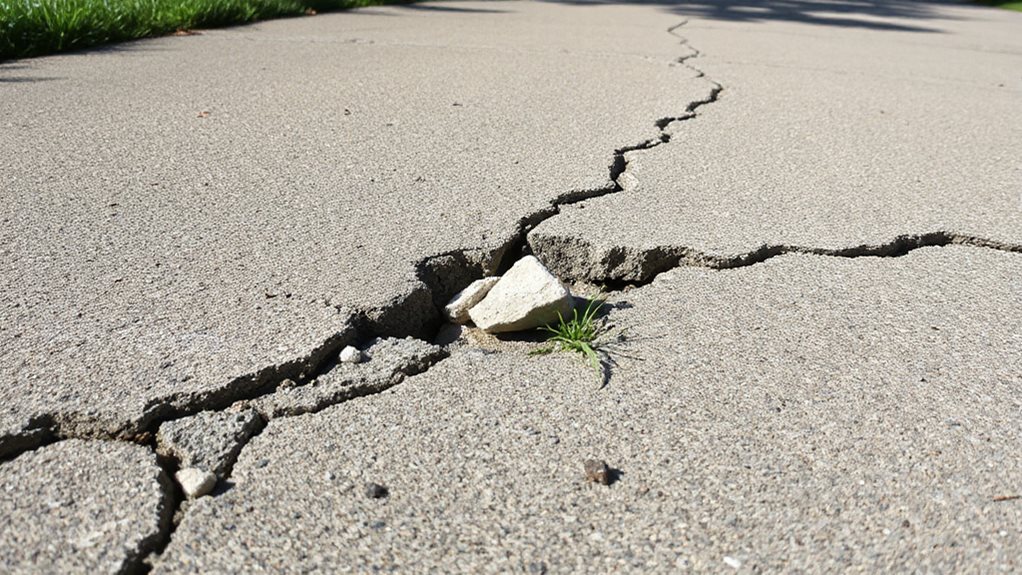
You risk water intrusion with incompatible EIFS adhesives, premature cracking from unapproved coatings, or structural weakness using epoxy on moving foundation cracks. Skimping on backer boards for tile or wrong concrete mixes leads to failure. These shortcuts compromise durability, demand costlier fixes, and leave your home vulnerable when proper materials would’ve held strong.

PVC vs. CPVC Confusion

Mixing up PVC and CPVC might seem like a small oversight, but it can quickly escalate into serious system failures if the differences aren’t fully understood.

You need CPVC for hot water—it handles heat up to 200°F, while PVC softens above 140°F.

Using the wrong solvent cement or rigidity specs risks leaks, joint failure, and code violations, especially in pressurized or indoor systems.

Hidden Incompatibility Risks

While selecting materials for a DIY repair, overlooking their specific performance requirements can introduce hidden incompatibility risks that compromise the entire system.

Using non-approved adhesives or sealants may cause EIFS delamination, moisture intrusion, or voided warranties. Mixing metals invites galvanic corrosion, while chemical mismatches can degrade tapes or release toxic fumes—small oversights with big consequences for durability and safety.

Essential Tools for the Job Are Missing or Inadequate

use proper maintained tools

You’re setting yourself up for setbacks when you use the wrong tools for the task, as improper equipment can lead to flawed results and unexpected delays.

Without the right tools, hidden damage often goes unseen, letting small issues grow into major repairs that could’ve been avoided.

Skipping essential gear might seem like a shortcut, but it compromises safety and increases the risk of accidents, especially in jobs involving electricity or heavy cutting.

Ensure you perform regular tool inspections and maintenance to reduce risks and improve outcomes, including checks like chain sharpness and tension for cutting tools and routine daily maintenance to catch problems early.

Wrong Tools for Task

Skipping the right tools for a job might save time upfront, but it sets the stage for avoidable failures down the line.

You risk over-torquing or under-torquing fasteners, misaligning parts without precision tools, or weakening joints with improper drivers.

Using the wrong tools compromises safety, durability, and performance—especially under stress or vibration—leading to preventable breakdowns you could have avoided with proper equipment.

Hidden Damage Goes Unseen

When you plunge into a DIY repair without the proper tools, critical damage can easily go undetected, setting the stage for long-term mechanical issues.

You might miss misaligned frames, fluid contamination, or suspension damage that only diagnostics and precise measurements reveal. Without professional-grade scanners or alignment tools, hidden flaws remain unseen, compromising safety and performance even if the car looks fine.

Shortcuts Compromise Safety

Cutting corners during a repair often starts with using the wrong tools—or worse, improvising with what’s on hand. You’re risking serious injury when you skip essential gear, especially with electrical or plumbing work where inadequate tools increase shock, fire, or flood risks.

Missing a ladder, proper fasteners, or safety equipment compromises stability and precision, turning simple tasks dangerous. Always use the right tools to protect yourself and guarantee lasting results.

Hidden Structural or Water Damage Was Overlooked

hidden water and structural decay

While surface-level fixes might seem like a quick solution, they often fail to reveal the underlying issues that compromise your home’s safety and longevity.

You’re likely missing hidden water damage or structural decay if cracks reappear, dampness returns, or floors slope slightly.

DIY repairs skip essential diagnostics, letting moisture thrive in walls or under foundations.

Without professional assessment, small issues become costly failures, risking your home’s integrity and your family’s security over time.

For shallow depressions and thin repairs, consider using vinyl compounds which are designed for thin horizontal applications.

The Timeline Has Already Been Exceeded Without Completion

If you’ve already passed your intended completion date, chances are your project lacks the structured planning and ongoing oversight needed to stay on track.

Without clear timelines, regular monitoring, and accurate task estimates, delays grow. Unchecked, these setbacks lead to frustration and failure.

You’re not alone—many DIYers underestimate time needs, so adjust your plan now to include realistic scheduling, progress checks, and skill assessments to get back on course.

Warranties or Insurance Coverage Could Be at Risk

diy repairs void coverage

You could be putting your warranties and insurance coverage in jeopardy without realizing it, especially when DIY repairs are involved.

Manufacturer warranties often require certified professionals, so DIY work voids protection, even if the fix seems successful.

Insurers may deny claims tied to amateur repairs, leaving you liable.

Plus, improper fixes can trigger higher premiums or policy issues, risking long-term financial exposure and complicating future coverage options.

Final Note

You’ve likely underestimated the complexity if technical systems, hidden damage, or proper materials were overlooked. Relying solely on brief online videos often skips critical steps, and missing essential tools compromises safety and durability. When timelines stretch and warranties hang in the balance, long-term failure becomes likely. Take a step back, assess the risks, and consider professional help—especially when structural, water, or system integrity is involved. It’s the smart, responsible choice.

Leave a Reply

Your email address will not be published. Required fields are marked *