Pests come back because hidden infestations in wall voids or crawl spaces often survive detection, and skipped prep work like sealing cracks leaves entry points open. If you use the wrong product or miss key areas during application, pests adapt and return. Resistant strains and surviving eggs restart the cycle, especially without timely follow-ups. Environmental factors and structural issues also contribute. You’re not starting over—there’s more to uncover about breaking the pattern.
TLDR
- Pests hide in inaccessible areas like wall voids, evading detection and treatment during initial inspections.
- Incomplete preparation, such as leaving clutter or unsealed entry points, allows pests to survive and reinfest.
- Misapplication of products, including wrong chemical choice or poor coverage, reduces treatment effectiveness.
- Surviving eggs and resistant life stages hatch after treatment, restarting infestations without follow-ups.
- Environmental factors, structural gaps, and disrupted natural predators contribute to pest resurgence.
Incomplete Detection of Hidden Infestations
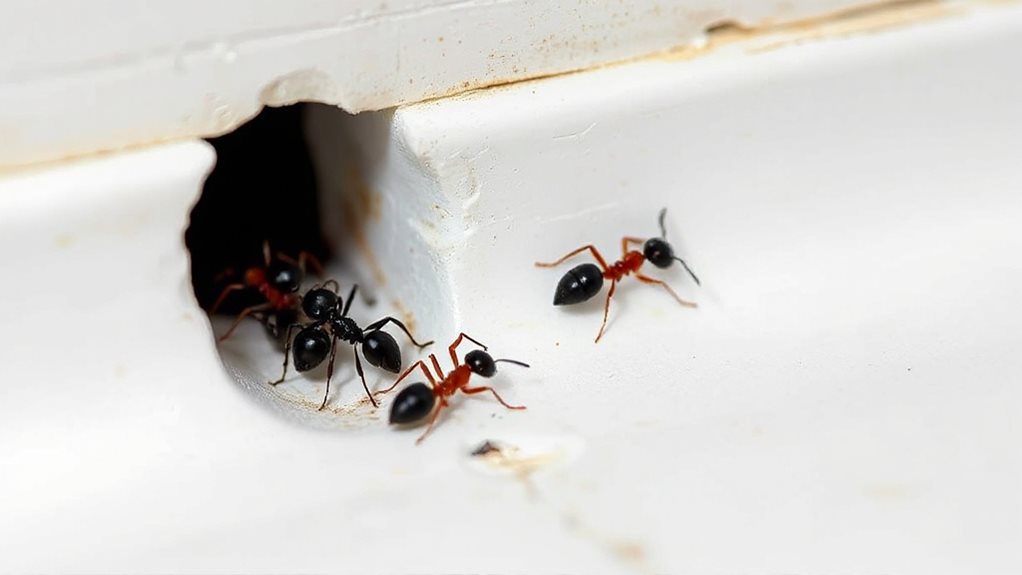
While you might think a quick visual check is enough, hidden infestations often go undetected because pests nest in hard-to-reach areas like wall voids, attics, and crawl spaces, where standard inspections can easily miss early warning signs. You could overlook grease marks, frass, or droppings without thorough, routine checks using tools like borescopes or thermal imaging, allowing pests to survive and return after treatment. Regular inspections and logging findings enable quicker intervention and prevention, especially when early detection is prioritized. Implementing moisture management and habitat modification, such as keeping soil damp during nesting windows or using dense mulch to discourage burrowing, can reduce the chance of re-establishment by ground-nesting pests and bees moisture management.
Inadequate Preparation Before Treatment
You’re setting the stage for pest resurgence if you skip critical prep steps before treatment begins. Failing to remove clutter, seal cracks, or clean areas leaves pests hidden and harbored.
Not treating adjacent spaces lets them migrate back. Unmanaged customer expectations lead to frustration. Proper preparation—clearing, sealing, communicating, and cleaning—is essential to guarantee treatment works and keeps pests from returning. Many effective options, including chemical-free and synthetic products, can be chosen based on site needs and safety considerations.
Improper Application of Pest Control Products
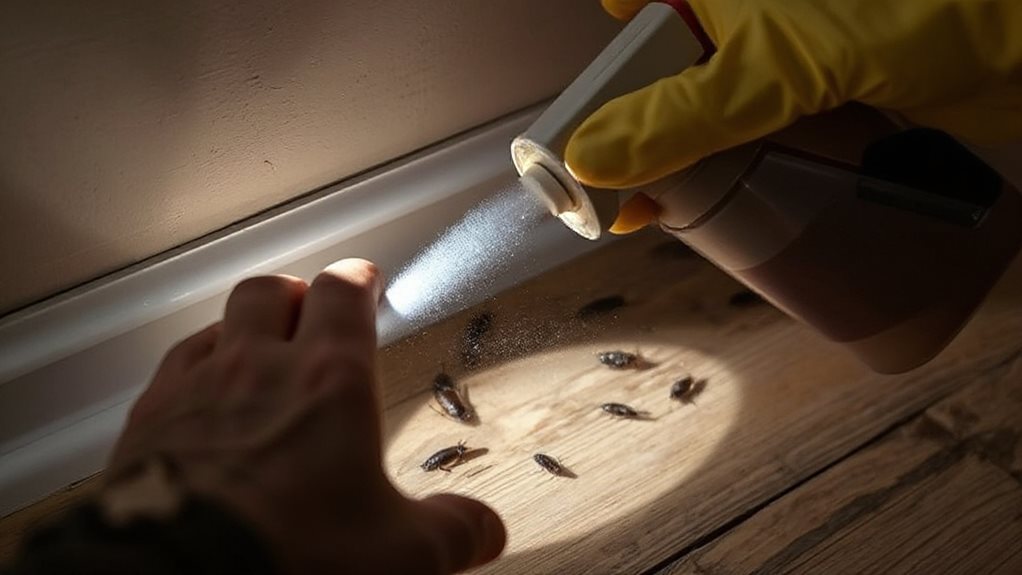
You might be using the wrong product without realizing it, which means you’re not actually treating the pest you’re seeing. Applying a pesticide meant for outdoor use inside your home, or choosing a chemical that doesn’t match the pest’s biology, can shut down your efforts before they start.
Plus, if you skip hidden areas where pests live and breed, you’re only cleaning up the surface, not stopping the real problem. Ground bees are solitary pollinators that nest in well-drained, sunny soil and often go unnoticed until activity increases, so check areas with sparse vegetation and small dirt holes for nesting sites.
Wrong Product Used
When it comes to pest control, using the wrong product—or applying it incorrectly—can undermine your entire treatment effort, leading to recurring infestations and increased health risks.
You might unknowingly choose ineffective pesticides, especially if retailers recommend incorrect products 88.2% of the time. Misidentifying pests or ignoring labels often results in poor outcomes, resistance, and unsafe exposures, making proper product selection essential for lasting success.
Incomplete Treatment Coverage
Even with the right pesticide in hand, incomplete treatment coverage can still doom your pest control efforts, leaving hidden populations untouched and ready to rebound.
You might miss cracks, wall voids, or crawlspaces where pests hide, especially if equipment isn’t calibrated or you skip coverage checks.
Without uniform deposition, some areas get too little pesticide. That’s why thorough, professional application matters—so every hotspot is targeted and infestations stay gone.
Development of Pesticide Resistance
Though some pests die immediately upon pesticide exposure, a small number often survive due to natural genetic differences, and these resilient individuals are the root cause of recurring infestations.
You see, repeated treatments kill susceptible pests, but resistant ones live on, passing their protective genes to offspring. Over time, this leads to populations that withstand chemicals, making control harder. Increased use of pesticides near water can also harm non-target species and alter ecosystems, contributing to aquatic toxicity and broader environmental impacts.
Survival of Pest Eggs and Life Stages
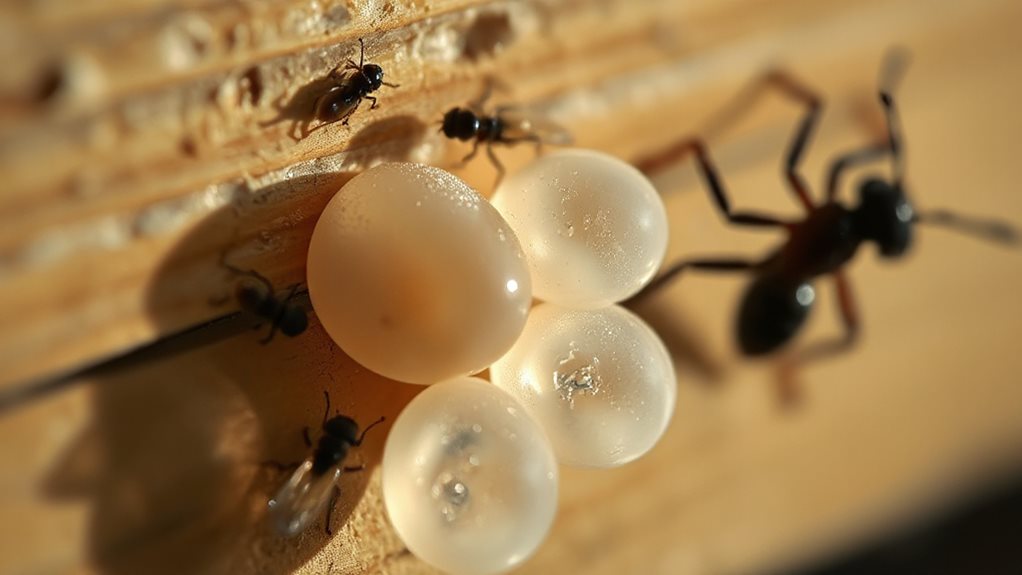
Because pest eggs are often shielded from standard treatments by their hard outer shells and hidden locations, they can easily survive chemical applications meant to eliminate infestations.
You might notice pests returning because eggs withstand insecticides like pirimiphos-methyl or pyriproxyfen, especially when food’s present.
Even oxygen deprivation or temperature shifts may not fully eradicate them, and poor sanitation can fuel hatching, letting new generations thrive where treatments once seemed successful.
Overapplication of preventative products can also damage surrounding plants and soil, and harm beneficial insects, so always follow label directions and avoid excessive use of weed preventers.
Missed Follow-Up Treatments
You mightn’t realize it, but skipping follow-up treatments can leave pest eggs behind, allowing them to hatch and restart the infestation cycle.
When treatments aren’t timed consistently, surviving pests regain a foothold, especially since some life stages are resistant to initial applications.
Staying on schedule with professional inspections and recurring service helps close these gaps and keeps your space protected long-term.
Missed Egg Elimination
Pests often bounce back after treatment because egg elimination gets overlooked, especially when follow-up applications miss hidden or resilient breeding sites.
You might treat visible areas, but eggs in damp, unnoticed spots survive and hatch in 8–10 days.
Even with pesticide residues present, variable concentrations mean some eggs still emerge, quickly rebuilding populations if coverage isn’t thorough and timely.
Inconsistent Treatment Timing
Often, even the most effective initial treatments fall short when follow-up visits are delayed or skipped, leaving gaps that pests quickly exploit.
You need consistent treatment timing to disrupt pest life cycles and catch hidden populations before they grow.
Scheduling inspections every few months, as recommended, guarantees early detection and sustained control, giving you lasting peace of mind and a pest-free home you can count on.
Secondary Pest Outbreaks and Resurgence
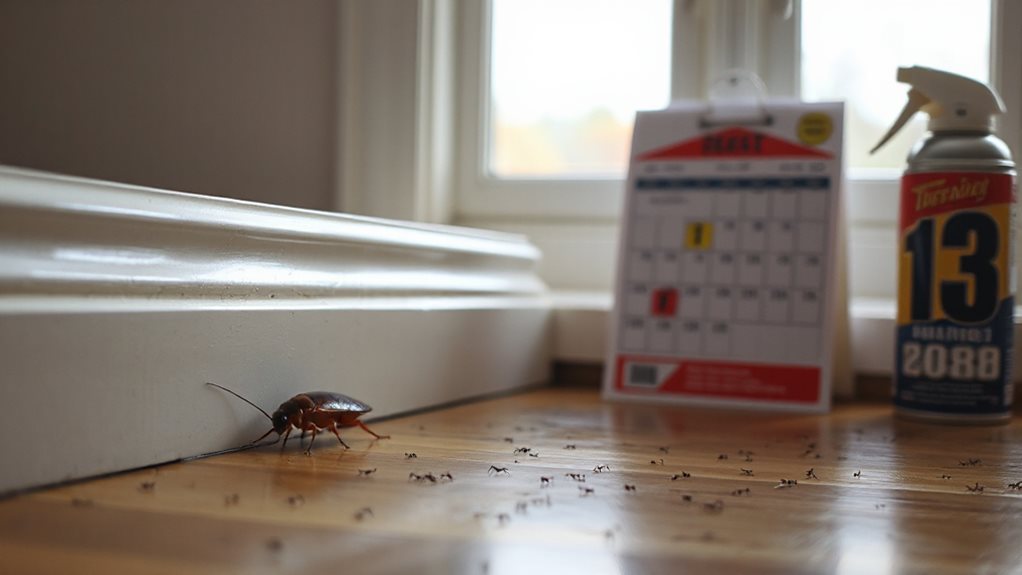
While targeting a primary pest with broad-spectrum insecticides, you may unknowingly set the stage for secondary pest outbreaks by disrupting natural enemy populations that keep other harmful species in check.
You reduce beneficial predators, freeing resources for mites, aphids, or leafminers to surge. This resurgence, often costlier than the original threat, hits cotton and vegetables hard—yet IPM, scouting, and selective treatments help you prevent it.
Environmental and Structural Challenges
When environmental conditions shift or structural weaknesses go unaddressed, even the most effective pest treatments can fall short over time.
You face ongoing risks as temperature, humidity, and rainfall influence pest behavior, while cracks and aging infrastructure invite reentry.
Daily habits and urban constraints further limit control.
Sealing gaps, managing moisture, and maintaining structures help you stay ahead, ensuring long-term protection against returning pests.
Final Note
You can prevent pests from returning by ensuring thorough inspections, proper preparation, and correct product application. Address hidden infestations and environmental factors that shelter pests, and don’t skip follow-up treatments. Pesticide resistance and surviving eggs often lead to resurgence, so integrated methods work best. Seal entry points and maintain cleanliness to reduce attractants. A consistent, science-based approach gives you long-term control without overreliance on chemicals.