You’ll typically need one to two coats of primer on new drywall, depending on surface condition and primer quality. High-quality PVA or latex primers often provide adequate sealing with a single coat on properly prepared, smooth drywall. However, porous surfaces, patched areas, or dramatic color changes require two coats to prevent flashing and guarantee uniform absorption. Budget primers generally need multiple applications, while premium formulations offer better coverage and opacity. Understanding these factors will help you achieve peak results for your project.
TLDR
- New drywall typically requires 1-2 coats of primer, with one coat sufficient for smooth, unblemished surfaces.
- Two coats are recommended for damaged surfaces, extensive patches, drastic color changes, or highly porous drywall.
- High-quality PVA or latex primers often provide adequate sealing with just one coat on properly prepared drywall.
- Budget or low-coverage primers usually require multiple coats to achieve uniform sealing and prevent paint flashing.
- One quality primer coat reduces material costs while two coats guarantee complete coverage and uniform absorption.
Understanding Drywall Primer Requirements
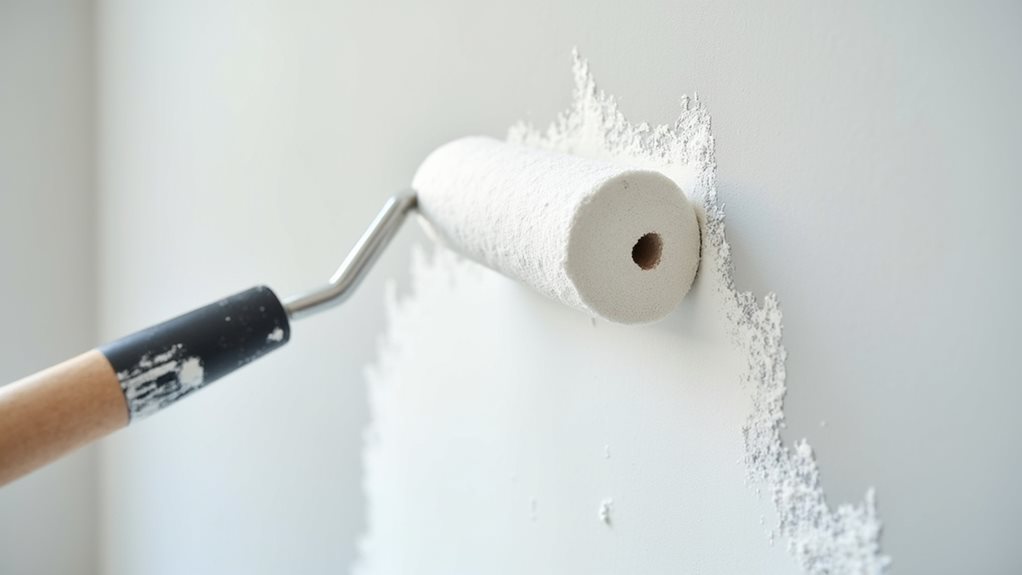
When preparing to paint drywall, the number of primer coats you’ll need depends largely on the surface condition, color changes, and any existing stains or damage.
New drywall typically requires two coats for ideal sealing, while previously painted surfaces with minor imperfections may only need one. For new drywall surfaces, latex primer is the recommended choice due to its compatibility and performance characteristics.
Patched areas should always receive primer to guarantee uniform absorption. Applying a sealer primer helps equalize porosity and improve paint adhesion.
Types of Primers Best Suited for Drywall Surfaces
Selecting the right primer type markedly impacts your drywall project’s success, as different formulations address specific surface conditions and performance requirements.
Acrylic primers offer versatility for previously painted walls and patched areas with quick-drying, low-odor properties. PVA primers excel on new bare drywall, providing excellent adhesion and smooth finishes at budget-friendly prices for standard applications. These PVA formulations also sand easily after application, creating an ideal base for your topcoat while reducing the total number of paint coats needed for complete coverage. Properly finished drywall, including sealed joints and surfaces, also helps maintain fire resistance and prevents exposure of insulation or wiring.
Standard Number of Primer Coats for New Drywall
New drywall typically requires one to two coats of primer to achieve ideal paint adhesion and finish quality.
The first coat seals the porous surface, while a second guarantees complete coverage and prevents paint over-absorption.
You’ll need two coats for damaged surfaces or drastic color changes, though one quality coat may suffice for smooth, unblemished drywall.
Waiting 24-48 hours before proceeding with further work can help account for moisture and temperature effects on drying time.
When One Coat of Primer Is Sufficient
You can often achieve adequate coverage with just one coat when you use high-quality primer that contains sufficient binder and pigment to effectively seal the drywall surface.
Premium primers are specifically formulated to provide better opacity and sealing properties in a single application, eliminating the need for additional coats on properly prepared surfaces.
When your drywall meets the basic sealing requirements—meaning it’s clean, dust-free, and not overly porous—one coat of quality primer will create a uniform base that’s ready for your topcoat paint.
High-Quality Primer Benefits
Investing in high-quality drywall primer delivers exceptional surface preparation that penetrates deeply into the pores of fresh drywall and joint compound, creating the uniform base essential for professional results.
You’ll seal face paper and mud effectively, preventing flashing while enhancing paint adhesion.
This approach reduces material costs, eliminates visible seams, and provides durable coverage that minimizes future maintenance requirements.
Sealing Requirements Met
When working with clean, well-prepared drywall surfaces, a single coat of high-quality primer typically meets all sealing requirements by effectively penetrating the porous paper face and joint compound to create a uniform base.
You’ll find that PVA or latex primers seal new drywall adequately, preventing paint absorption while ensuring proper adhesion for subsequent coats.
Situations Demanding Multiple Primer Applications
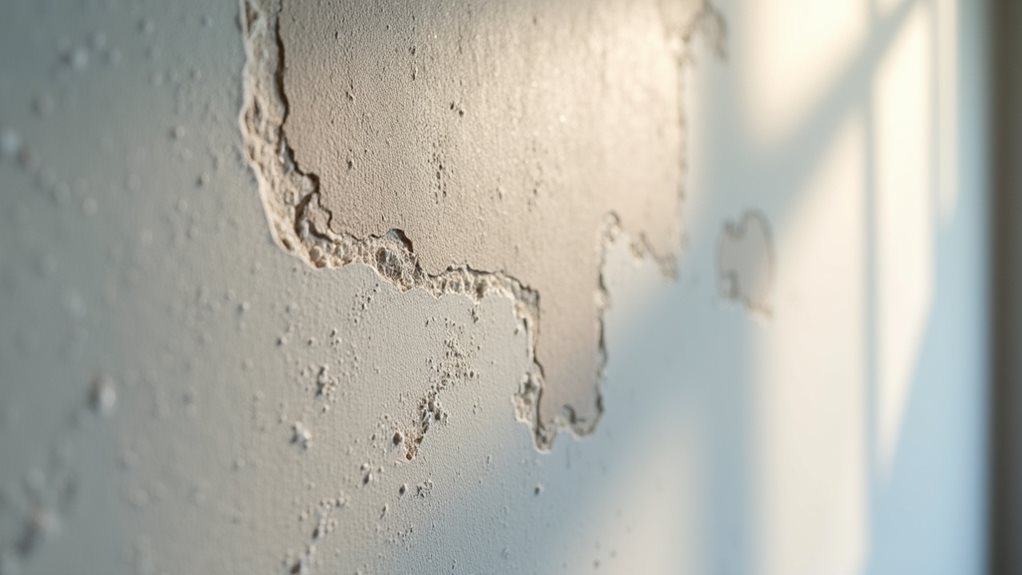
While most painting projects benefit from a single coat of primer, certain conditions create challenges that demand multiple applications to achieve professional results.
New drywall’s porous surface absorbs primer unevenly, requiring two coats to prevent flashing between joint compound and drywall paper. Dark color shifts, water-damaged surfaces, glossy materials, and patched areas also necessitate additional primer coats.
Proper Application Techniques for Even Coverage
Understanding which situations require extra primer coats leads naturally to mastering the application process itself, where proper technique makes the difference between amateur and professional results.
Start rolling from the wall’s center using a zigzag pattern, maintaining consistent pressure while overlapping passes by 6-12 inches to prevent streaks and guarantee uniform coverage throughout.
Primer and Paint Compatibility Guidelines
Although proper primer application sets the foundation for your project, selecting incompatible primer and paint combinations can undermine even the most scrupulous technique, leading to adhesion failures, peeling, and costly do-overs.
Water-based primers work best with latex paints, while oil-based primers accommodate both paint types. Always verify manufacturer compatibility recommendations and conduct small-area tests before full application.
Benefits of Using Quality Primers on Drywall
Quality primers convert bare drywall from a problematic surface into an ideal foundation for paint application.
You’ll achieve superior adhesion that prevents peeling and flaking, while the sealed porous surface guarantees uniform color coverage.
Premium primers reduce paint consumption by up to fourfold, requiring fewer coats for complete coverage.
Additionally, moisture-resistant formulations protect against mold growth in high-humidity areas.
Cost vs. Performance Considerations for Primer Selection
When selecting drywall primer, you’ll face a critical decision between budget-friendly PVA primers at $15-$30 per gallon and premium options like Benjamin Moore Fresh Start at $40-$50 per gallon.
While economy primers offer immediate cost savings for large-scale projects, they often require additional coats and more frequent maintenance, potentially increasing your total expenses over time.
Understanding this budget versus quality trade-off helps you evaluate whether the higher upfront investment in premium primers delivers superior long-term value through enhanced durability and reduced repainting needs.
Budget Vs Quality Trade-Offs
Since primer selection directly impacts both your upfront costs and long-term project success, understanding the trade-offs between budget and premium options becomes essential for making an informed decision.
Budget PVA primers at $15–$25 per gallon work well for new drywall but lack stain-blocking capabilities. Premium primers costing $30–$50 provide superior coverage and durability, reducing future touch-ups.
Long-term Investment Value
Although premium primers cost 50-100% more upfront than budget alternatives, they’ll deliver superior long-term value through reduced maintenance cycles and extended paint durability.
Quality formulations like Benjamin Moore Fresh Start maintain wall integrity for 10+ years with minimal touch-ups, while standard primers require frequent repainting within 1-3 years, reducing total ownership costs by 30%.
Final Note
You’ll typically need one coat of high-quality drywall primer for most new installations, though heavily textured surfaces or problematic areas may require two coats for optimal coverage. Always allow proper drying time between applications, and make sure you’re using a primer that’s compatible with your chosen topcoat. Investing in quality primer upfront saves you time and money by reducing the number of paint coats needed for professional-looking results.