If you notice constant window condensation, musty smells in bathrooms or closets, or see mold on walls and grout, your home likely has poor ventilation. Stuffy air after cooking, lingering odors, and uneven room temperatures are red flags. You might also experience frequent headaches or allergies that ease when you’re outdoors. High indoor humidity and trapped pollutants strain your HVAC system and affect air quality. These signs point to airflow issues—understanding the full scope helps you take effective action.
TLDR
- Persistent window condensation indicates trapped indoor humidity due to inadequate ventilation.
- Visible mold or musty odors in damp areas suggest poor airflow and excess moisture.
- Stale, stuffy air or lingering odors after cooking signal insufficient air exchange.
- Frequent headaches, fatigue, or respiratory issues may result from poor indoor air quality.
- Uneven room temperatures and high energy bills can stem from airflow or HVAC issues.
Condensation and Moisture Buildup on Windows
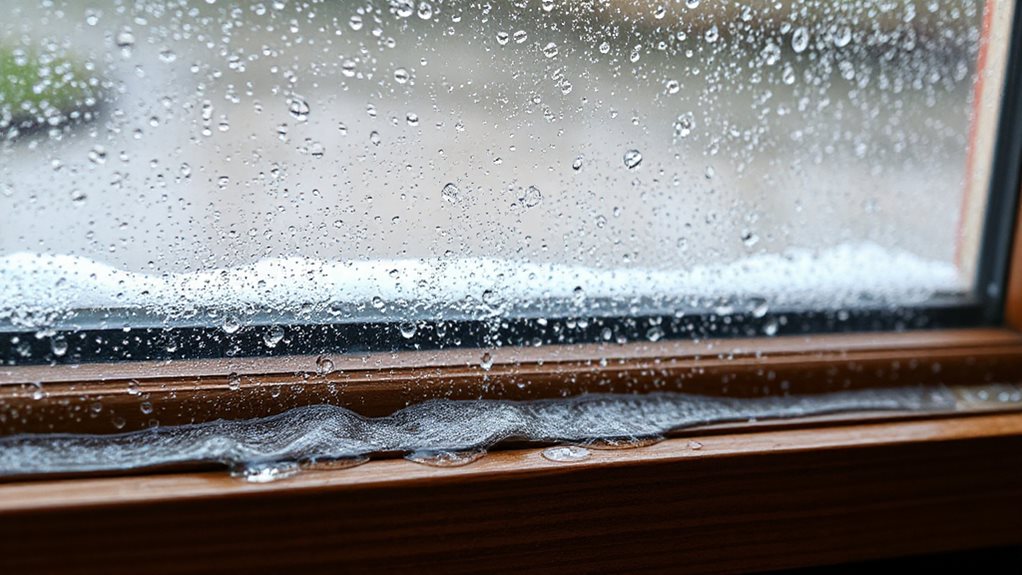
While you might expect some fogging on windows during cold mornings, persistent condensation is a clear sign that your home’s ventilation isn’t keeping up with indoor moisture.
When warm, humid air meets cold glass, it releases water, especially in tightly sealed or poorly insulated windows.
Daily wiping, drips, or fog between panes mean humidity’s trapped—common in airtight homes—so increasing airflow helps balance indoor conditions.
This issue is often worsened by poor ventilation, which prevents moist air from escaping and allows condensation to form more frequently on cool surfaces.
If condensation is frequent, test indoor humidity levels with a hygrometer to confirm elevated moisture levels.
Visible Mold Growth in Damp Areas
You might notice mold showing up in your bathroom or basement, especially where moisture lingers after showers or during damp seasons.
If you catch a musty smell in enclosed spaces like closets or near walls, it’s likely a sign of hidden mold growth fueled by poor airflow.
These spots thrive in humid, unventilated areas, so keeping humidity below 50% and improving ventilation can stop mold before it spreads.
Consider using a moisture meter to locate hidden dampness and better target remediation.
Mold in Bathrooms and Basements
When moisture lingers in your bathroom or basement, it doesn’t just create discomfort—it actively invites mold to take hold, especially in areas where humidity stays above 60% and airflow remains limited.
You’ll often spot it on tiles, grout, or basement walls, where dampness and organic materials meet.
These spaces, prone to poor ventilation, give mold the perfect environment to grow, compromising air quality and your home’s integrity if left unchecked.
Musty Smells Signal Mold
Often, a musty odor wafting from your vents is more than just an unpleasant smell—it’s a clear warning sign of mold growth within your HVAC system.
When your A/C runs, excess moisture in ducts or stagnant water in drain pans encourages mold, releasing musty volatile compounds. These spores circulate through your home, especially if ventilation is poor, worsening allergies and indoor air quality.
Poor Indoor Air Quality and Pollutant Accumulation
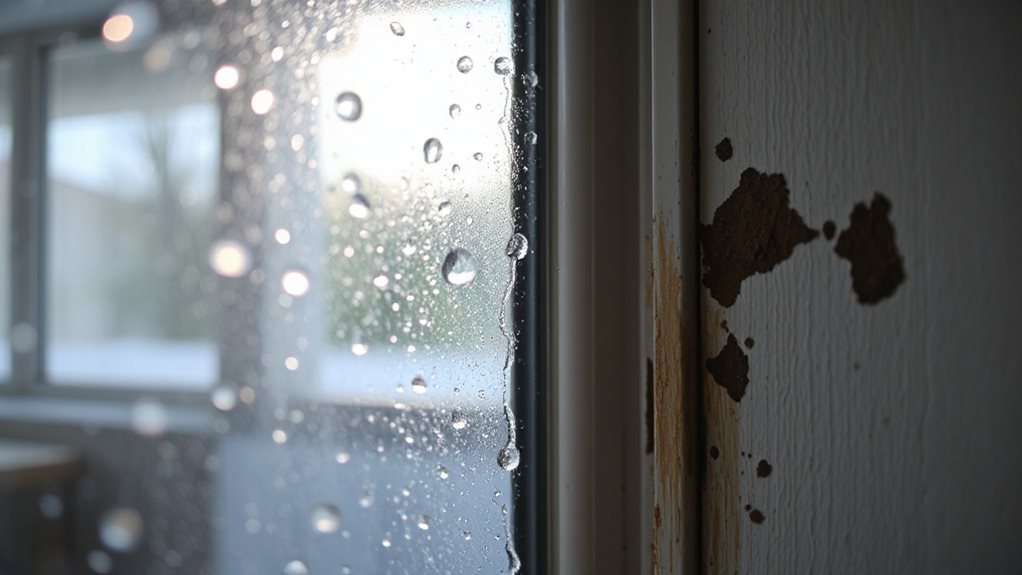
You might notice the air in your home feels stuffy or stale, especially after cooking or cleaning, because pollutants like VOCs and fine particles build up without proper airflow.
Everyday activities release dust, allergens, and odors that linger longer than they should, signaling that your indoor air isn’t circulating well.
These signs often point to inadequate ventilation, letting harmful contaminants concentrate to levels much higher than outdoors.
Consider using digital air quality monitors or simple hygrometers to track pollutants and humidity so you can confirm and address ventilation problems.
Stale Air Buildup
Stale air doesn’t just make your home feel stuffy—it actively traps pollutants, letting harmful contaminants build up where you live and breathe.
You’re likely experiencing poor air exchange if odors linger, rooms feel muggy, or you notice condensation on windows.
Without proper ventilation, everyday activities like cooking or cleaning can concentrate pollutants, reducing indoor air quality and affecting your long-term comfort and health.
Dust and Allergens
Trapped indoors, dust and allergens quickly accumulate when ventilation falls short, turning everyday surfaces into reservoirs for hidden pollutants.
You’re likely inhaling dust mite debris, pet dander, or pest allergens, especially if you notice frequent sneezing or wheezing.
Poor airflow lets PM2.5, mold, and chemicals build up, worsening asthma and allergies—common in homes where stagnant air goes unchecked.
Lingering Odors
Often, persistent odors in your home signal more than just unpleasant smells—they reveal underlying issues with indoor air quality and inadequate ventilation.
You’re likely trapping pollutants from cooking, cleaning products, or building materials.
Lingering scents from mold, tobacco, or air fresheners aren’t just annoying; they’re signs of poor air exchange.
Without proper airflow, these odorants accumulate, affecting your health and comfort over time.
Unexplained Health Symptoms Among Occupants

While you mightn’t immediately connect your family’s frequent colds or persistent coughs to the air inside your home, poor ventilation could be the hidden culprit behind these unexplained health symptoms.
You may notice more fatigue, headaches, or respiratory issues, especially in children. Stale air traps viruses, allergens, and mold spores, increasing your risk of illness. If symptoms improve outdoors, it’s time to enhance airflow. Professional testing is recommended after water damage or visible mold to identify mold levels and needed remediation.
Persistent Odors and Stuffy Indoor Air
You may have already noticed that unexplained coughs or fatigue linger longer than they should, and if those symptoms coincide with lingering smells and a constant sense of heaviness in the air, your home’s ventilation system is likely falling short.
Persistent odors from combustion sources, chemical products, or moisture-related mold thrive when airflow is inadequate, trapping pollutants like VOCs, carbon monoxide, and particulates indoors.
Stuffy air often signals poor exchange with fresh outdoor air, allowing humidity, allergens, and fumes to accumulate. Clogged HVAC filters and unvented appliances worsen indoor air quality, creating an environment where contaminants circulate instead of being removed.
Addressing ventilation can markedly reduce these risks. Regular maintenance, including cleaning lint from dryer cabinets and vents to prevent reduced airflow and fire hazards, helps keep indoor air healthier.
Uneven Temperatures and Rising Energy Bills

If your home feels like a patchwork of hot and cold spots, it’s time to take a closer look at your ventilation and HVAC performance—uneven temperatures from room to room often point to underlying airflow problems that not only compromise comfort but also drive up energy bills.
Leaky ducts, clogged filters, or improper system sizing restrict airflow, forcing your unit to work harder, waste energy, and deliver inconsistent heating or cooling where you need it most.
Final Note
You can improve your home’s air quality by addressing poor ventilation early. Recognizing signs like condensation, mold, and stale odors helps you take action before issues worsen. Upgrading exhaust fans, using dehumidifiers, and ensuring vents stay unblocked are practical steps you can take. Not only does proper airflow reduce health risks, but it also enhances comfort and cuts energy costs over time. Stay proactive—your home and health depend on it.